
Introduction to Moussaka
Moussaka is more than just a dish; it’s a culinary experience that has captured the hearts (and stomachs) of many around the globe. This traditional Mediterranean favorite hails from Greece, boasting layers of roasted eggplant, savory meat sauce, and a rich béchamel topping. Its unique combination of flavors and textures creates a dish that is both comforting and indulgent, making it no wonder that moussaka has found its place on dinner tables everywhere.
Why is Moussaka a Beloved Dish?
So, why do so many people adore this dish? The secret lies in its versatility and heartwarming profile. Each layer tells a story—whether it’s the tender eggplant that adds a buttery texture or the seasoned meat that brings warmth and depth. Moussaka is also highly adaptable; whether you’re a meat lover or a vegetarian, there are countless variations waiting for you to explore.
Additionally, this dish is often enjoyed during family gatherings and celebrations, making every bite a nostalgic reminder of shared moments. If you're ready to dive into the world of moussaka, get excited about creating your very own moussaka recipe that will surely impress your friends and family!
For more about the history and variations of moussaka, check out Greek Food Academy, where they delve into the fascinating world of Greek cuisine.
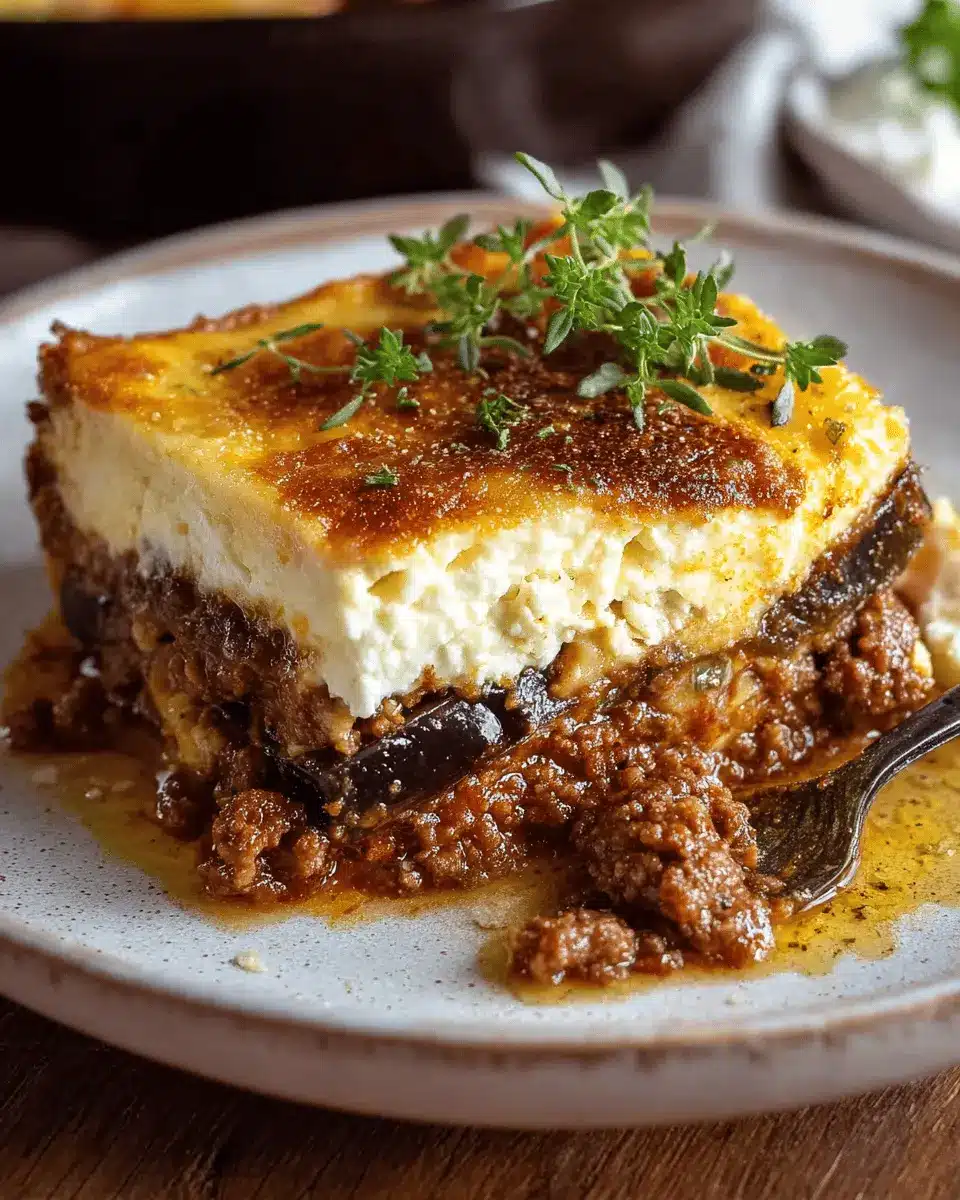
Ingredients for Moussaka
Essential ingredients you'll need
Creating a delicious moussaka recipe starts with gathering the right ingredients. Here’s what you’ll need:
- Eggplant: 1 kg (2 lb), sliced into 0.75cm (0.3”) thick pieces.
- Ground Beef or Lamb: 700 g (1.4 lb) for a hearty filling.
- Onion and Garlic: Essential for flavor, with 1 diced onion and 3 minced garlic cloves.
- Crushed Tomatoes: 400 g (14 oz) can for that rich sauce base.
- Béchamel Sauce: Made from butter, flour, milk, Parmesan cheese, and eggs.
These fresh ingredients come together to create that comforting taste synonymous with traditional Greek cuisine.
Alternative ingredients and substitutions
If you’re looking to personalize your moussaka recipe, consider these alternatives:
- Meat: Swap out beef for turkey or chicken for a leaner dish.
- Cheese: If Parmesan is hard to find, try feta or a dairy-free cheese for a twist.
- Eggplant: Zucchini or portobello mushrooms can replace eggplant if you want something different.
Exploring alternatives allows you to craft a dish that fits your dietary preferences without sacrificing flavor! For more tips on ingredient substitutions, check out Cooking Light.
Preparing Moussaka
Preparing moussaka is an enjoyable cooking experience, filled with layers of flavors that meld beautifully together. Let’s break down the process into manageable steps that will have your taste buds dancing!
Step 1: Preparing the Eggplant
To start, you’ll want to prepare the eggplant properly. Slice 1 kg of eggplant into 0.75 cm thick rounds, then place them in a colander and sprinkle a generous amount of salt over the top. This step helps draw out excess moisture and any bitterness from the eggplant, resulting in a velvety texture in your moussaka. Let them sweat for about 30 minutes. While waiting, you can gleefully start with the meat filling and béchamel sauce (link to more on making béchamel). After the time is up, rinse off the salt and pat the eggplant dry to avoid your dish becoming overly salty. Brush each slice lightly with olive oil and roast them in the oven at a high temperature until they are softened and slightly browned.
Step 2: Making the Meat Filling
Next up, let’s make that delicious meat filling! In a large skillet, heat a tablespoon of olive oil over medium heat. Toss in a diced onion and minced garlic, cooking until fragrant. Add in about 700 g of ground beef or lamb, breaking it apart as it cooks until it's no longer pink. Next, stir in the crushed tomatoes, beef broth, and seasonings like oregano, sugar, and cinnamon. Let this simmer so the flavors can meld, which should take about 15 minutes. This is where the magic happens—imagine the rich aroma filling your kitchen!
Step 3: Crafting the Béchamel Sauce
Now for the star of the show: the béchamel sauce. In a separate saucepan, melt 60 grams of butter, then whisk in flour, creating a roux. Gradually add in 2.5 cups of milk, stirring consistently until it thickens. For added flavor, include some grated cheese and a touch of nutmeg—this is what gives that creamy finish to your moussaka recipe! Once it’s thick enough to coat the back of a spoon, allow it to cool slightly before whisking in an egg or two.
Step 4: Assembling the Moussaka Layers
It's time to assemble your moussaka! In a baking dish, lay down half of the roasted eggplant. Top it with the rich meat filling and then layer on the remaining eggplant slices. Finally, pour over the béchamel sauce, ensuring it covers every inch. For that extra crunch, sprinkle panko breadcrumbs on top before it heads into the oven.
Step 5: Baking the Moussaka to Perfection
With your oven preheated to 180°C (350°F), pop your assembled moussaka in and let it bake for 30-40 minutes until the top is golden brown and bubbling. The wait will be worth it! Allow it to rest for about 10 minutes before serving, so the layers set perfectly for that first glorious slice.
And there you have it! A homemade moussaka that’s sure to impress your friends and family alike. For more inspirations on side dishes, you can explore Mediterranean recipes to pair with your delightful creation!
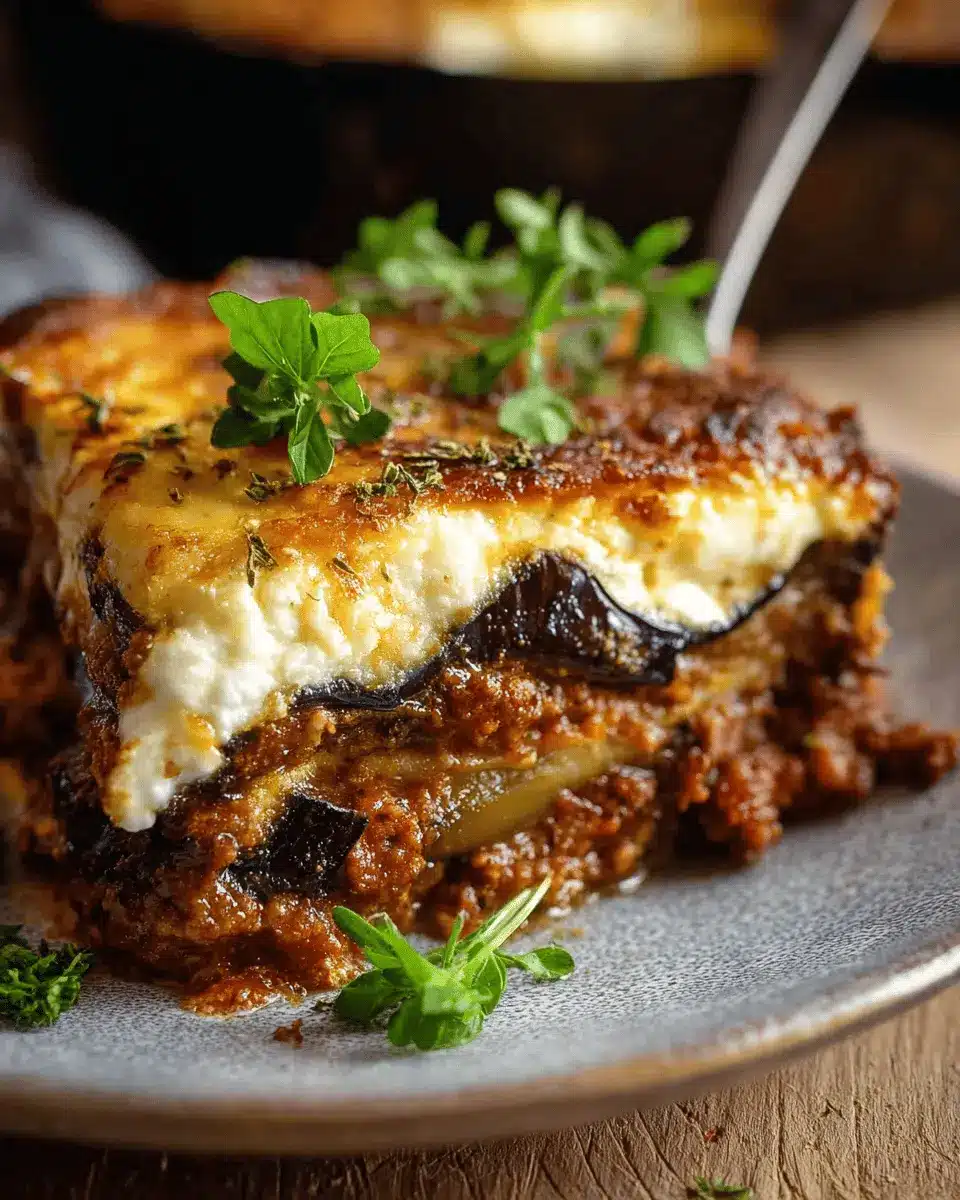
Variations on Moussaka
Vegetarian Moussaka Options
Craving a moussaka recipe that doesn't include meat? Try replacing the meat filling with a mixture of lentils, mushrooms, and hearty vegetables like zucchini or bell peppers. This option is not only delicious but also packed with nutrients. You can layer in a rich tomato sauce spiced with oregano and thyme for an added depth of flavor. Moreover, consider adding a layer of ricotta cheese or spinach for a creamy texture that complements the eggplant beautifully. Want to spice things up further? See a guide to creating incredible vegetarian dishes over at BBC Good Food.
Alternative Meats for the Filling
If you're looking to mix things up, several alternative meats can bring exciting flavors to your moussaka recipe. Ground turkey adds a leaner option, while chicken can provide a lighter base. For a more adventurous twist, try using ground lamb or even a combination of beef and turkey bacon for a smoky flavor. Each of these choices offers a unique taste profile that complements the creamy béchamel sauce. Consider experimenting with various spices to enhance your chosen meat’s flavor and embrace the deliciousness of a classic dish reinvented!
Variety is the spice of life, after all!
Cooking Tips and Notes for Moussaka
Salting the Eggplant: Why It Matters
Salting your eggplant is crucial for achieving the best moussaka recipe. It draws out excess moisture, preventing your dish from becoming too watery. Additionally, it helps to reduce any potential bitterness in the eggplant. Simply slice, salt, and let it sweat for about 30 minutes. Afterward, pat the slices dry to ensure the perfect texture.
Freezing Moussaka: Tips for Later Enjoyment
Want to make your moussaka ahead of time? You can easily freeze it for future meals! After cooking, let it cool completely, wrap it tightly in cling film, and store it in the freezer. When you’re ready to enjoy, simply thaw and reheat at 180°C (350°F) for about 25 minutes until it’s piping hot. This makes it a fantastic option for busy weeknight dinners!
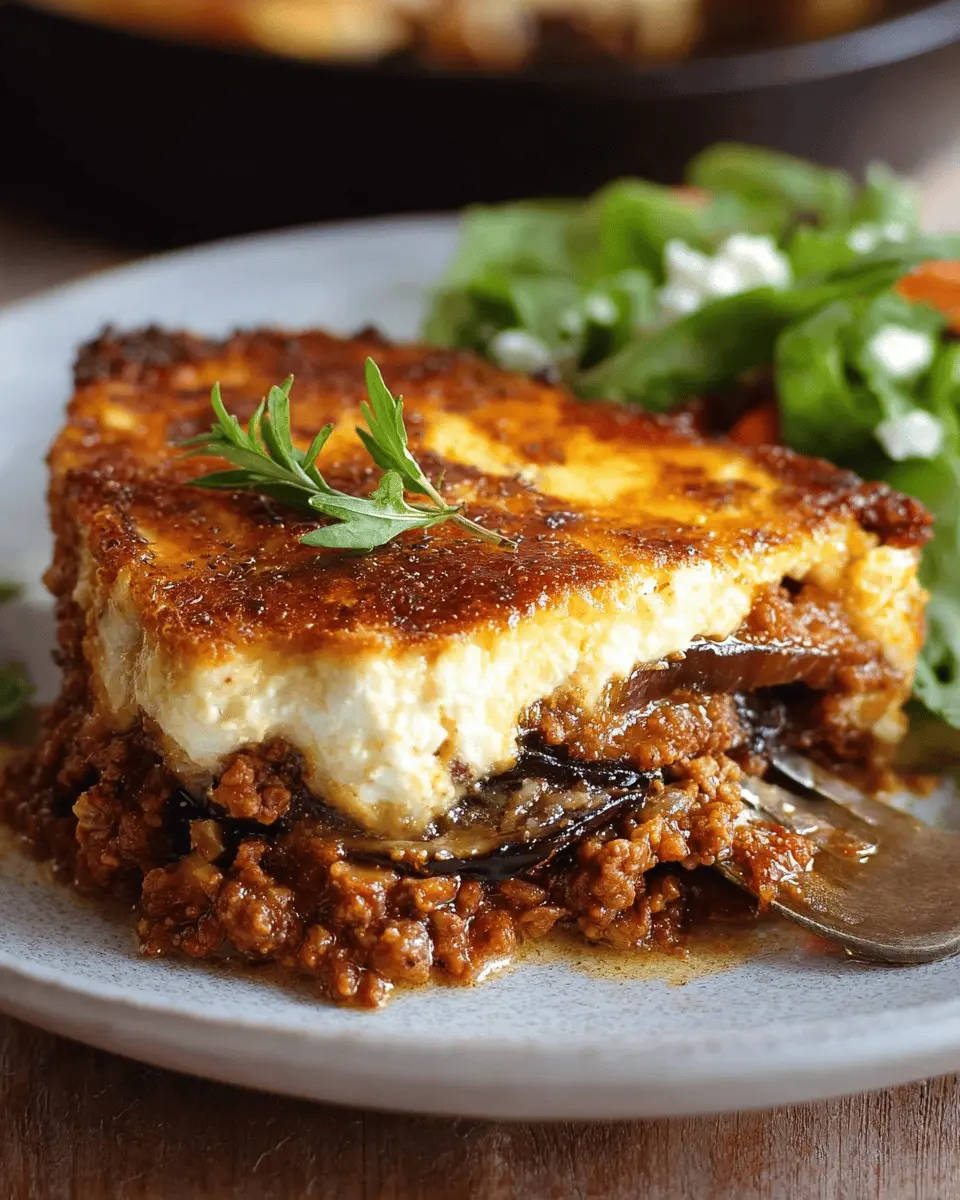
Serving suggestions for Moussaka
Ideal side dishes to complement moussaka
When enjoying your moussaka recipe, consider pairing it with fresh sides to enhance the flavors. A vibrant Greek salad featuring cucumbers, tomatoes, olives, and feta adds a refreshing crunch. You could also serve warm pita bread drizzled with olive oil and a sprinkle of za'atar for a delightful twist. For something extra, a side of roasted vegetables, like zucchini and bell peppers, goes beautifully with the rich flavors of moussaka.
Recommended wines and drinks (non-alcoholic options)
While traditional wines enhance moussaka, you can create lovely pairings with non-alcoholic beverages. Consider a sparkling pomegranate juice; its tart sweetness beautifully complements the dish’s savory elements. Alternatively, serve a chilled mint lemonade for a refreshing contrast that cuts through the richness of the creamy béchamel. Both options add vibrancy to your meal while catering to all guests.
Time breakdown for Moussaka
Preparation time
Getting started on this delicious moussaka recipe takes about 30 minutes. This includes peeling and slicing the eggplant and gathering your other ingredients. Don't forget to take your time to season the eggplant properly!
Cooking time
Cooking is where the magic happens! Once you're prepped, the cooking will take roughly 1 hour and 30 minutes. This includes making the meat sauce and béchamel, baking the layers, and letting everything come together.
Total time
In total, you're looking at about 2 hours of dedicated cooking time. Perfect for a leisurely weekend meal that will surely impress! Whether you’re cooking for family or hosting friends, this moussaka is worth every minute.
For tips on preparing and storing ingredients, you might find this resource helpful on The Spruce Eats. If you're looking to enrich the flavor profiles of your dish, consider variations from Food Network.
Nutritional Facts for Moussaka
Calories
A hearty serving of moussaka contains approximately 434 calories. This makes it a satisfying dish that can easily fit into your meal plan while offering comfort and flavor.
Protein
Packed with 32 grams of protein, this moussaka recipe is an excellent choice for those looking to increase their protein intake, thanks to the inclusion of ground beef or lamb.
Fiber
With around 5 grams of fiber per serving, moussaka not only fills you up but also supports digestive health, making it a balanced and nutritious option for any dinner table.
For more nutritional tips, check out resources like USDA's FoodData Central to dive deeper into food information.
FAQs about Moussaka
Can I make moussaka ahead of time?
Absolutely! Preparing your moussaka recipe ahead of time can save you a lot of hassle on busy days. You can assemble the dish and store it in the refrigerator for up to two days before baking, or even freeze it for up to three months. Just be sure to let it cool before wrapping it tightly. When you're ready to cook, thaw (if frozen) and bake until golden brown!
What can I substitute for eggplant?
If eggplant isn't your thing, don't worry! You can use alternatives like zucchini or mushrooms. These veggies will absorb the delicious flavors and give your moussaka a unique twist. Just be mindful of their moisture content; you might want to cook them down a bit before layering.
How long can I store leftover moussaka?
Leftover moussaka can be stored in the fridge for about three to four days. Make sure it's covered or in an airtight container to maintain freshness. When you're ready to enjoy it again, simply reheat in the oven or microwave until heated through. That comforting taste will make you feel like you're back in the kitchen, even days later!
For more tips on storage and maintaining flavor, check out sources like the USDA Food Safety for guidelines.
Conclusion on Moussaka
Moussaka is a comforting dish that combines layers of savory eggplant, rich meat sauce, and creamy béchamel. Perfect for sharing with friends or family, this moussaka recipe is sure to impress. Embrace its Mediterranean roots and enjoy a slice of warmth and history at your dining table.
Moussaka
Equipment
- large colander
- Large Skillet
- baking dish
- Whisk
- parchment paper
Ingredients
Eggplant
- 1 kg eggplant (aubergines) 0.75cm / 0.3″ thick slices
- 1 teaspoon salt
- 2 - 3 tablespoon olive oil
Filling
- 1 tablespoon olive oil
- 1 medium onion diced (brown, white, yellow)
- 3 cloves garlic minced
- 700 g ground beef or lamb (mince)
- ½ cup red wine dry (optional)
- 400 g crushed tomatoes
- 3 tablespoon tomato paste
- 1 cup beef broth/stock
- 1 cube beef bouillon crumbled (or 1 teaspoon powder)
- 2 leaves bay leaves
- 1.5 teaspoon sugar (any)
- 2 teaspoon dried oregano
- ½ teaspoon cinnamon (or 1 stick, use whole)
- ¾ teaspoon salt
Bechamel Sauce
- 60 g butter
- 5 tablespoon plain flour
- 2.5 cups milk (any fat %)
- ¼ teaspoon nutmeg freshly grated (optional)
- ½ cup parmesan cheese grated (or Kefalotiri Cheese)
- 1 whole egg
- 1 yolk egg
- 1.25 teaspoon Vegeta vegetable or chicken stock powder (or salt)
- ¼ teaspoon pepper
Topping
- ⅓ cup panko breadcrumbs
Instructions
Eggplant
- Place eggplant slightly overlapping in a large colander. Sprinkle with some salt. Repeat with remaining eggplant.
- Leave to sweat for 30 minutes.
- Preheat oven to 240C/450F.
- Pat eggplant dry – make sure to do this well, otherwise it’s too salty. Lay on parchment paper lined trays and brush with oil.
- Bake for 15 – 20 minutes or until lightly browned and softened. Remove and set aside to cool slightly.
Meat Sauce
- Heat olive oil in a large skillet or pot over high heat, then cook the garlic and onion for 2 minutes.
- Add the beef or lamb and cook until it changes from pink to brown, breaking it up as you go.
- Add wine, cook for 1.5 minutes or until alcohol smell is gone.
- Add remaining ingredients and stir to combine. Bring to a simmer, then lower heat to medium low and cook for 15 minutes, or until reduced to a thick sauce.
Bechamel Sauce
- Melt butter in a pan over medium heat. Add flour and cook for 1 minute, stirring constantly.
- Slowly add the milk while stirring constantly. Stir regularly for 3 to 5 minutes or until it thickens.
- Remove from the stove and whisk in cheese, nutmeg, Vegeta/stock powder (or salt) and pepper.
- Allow to cool for 5 minutes, then whisk the eggs in. Cover with lid until required.
Assemble
- Lower oven to 180C/350F.
- Place half the eggplant in the bottom of a baking dish, then top with all the Filling.
- Top with remaining eggplant, then pour over the Béchamel Sauce, sprinkle with breadcrumbs.
- Bake for 30 – 40 minutes or until golden brown. Allow to stand for 10 minutes before serving.




Leave a Reply