
Introduction to Bibimbap Recipe
What is bibimbap and why should young professionals care?
Bibimbap is a delightful and nutritious Korean dish that translates to “mixed rice.” It's a colorful bowl brimming with a vibrant mix of vegetables, protein, and a spicy kick, making it a great option for busy young professionals. In today’s fast-paced world, finding meals that are both satisfying and time-efficient is essential, and that’s where this bibimbap recipe shines.
Many young adults gravitate toward meals that are not just tasty but also loaded with vitamins and minerals. Bibimbap effortlessly fits the bill. The base typically consists of short-grain rice, topped with an array of sautéed vegetables like carrots, zucchini, and spinach, often accompanied by marinated beef and a sunny-side-up egg.
What's even better? It's highly customizable! Whether you're vegetarian, vegan, or a meat lover, you can easily tailor this dish to suit your tastes. Plus, preparing bibimbap lets you get creative in the kitchen, and you can engage friends during a fun cooking night. For those looking to nourish their bodies while also enjoying every bite, this bibimbap recipe is a must-try. Want to learn how to make it? Let’s dive into the details!
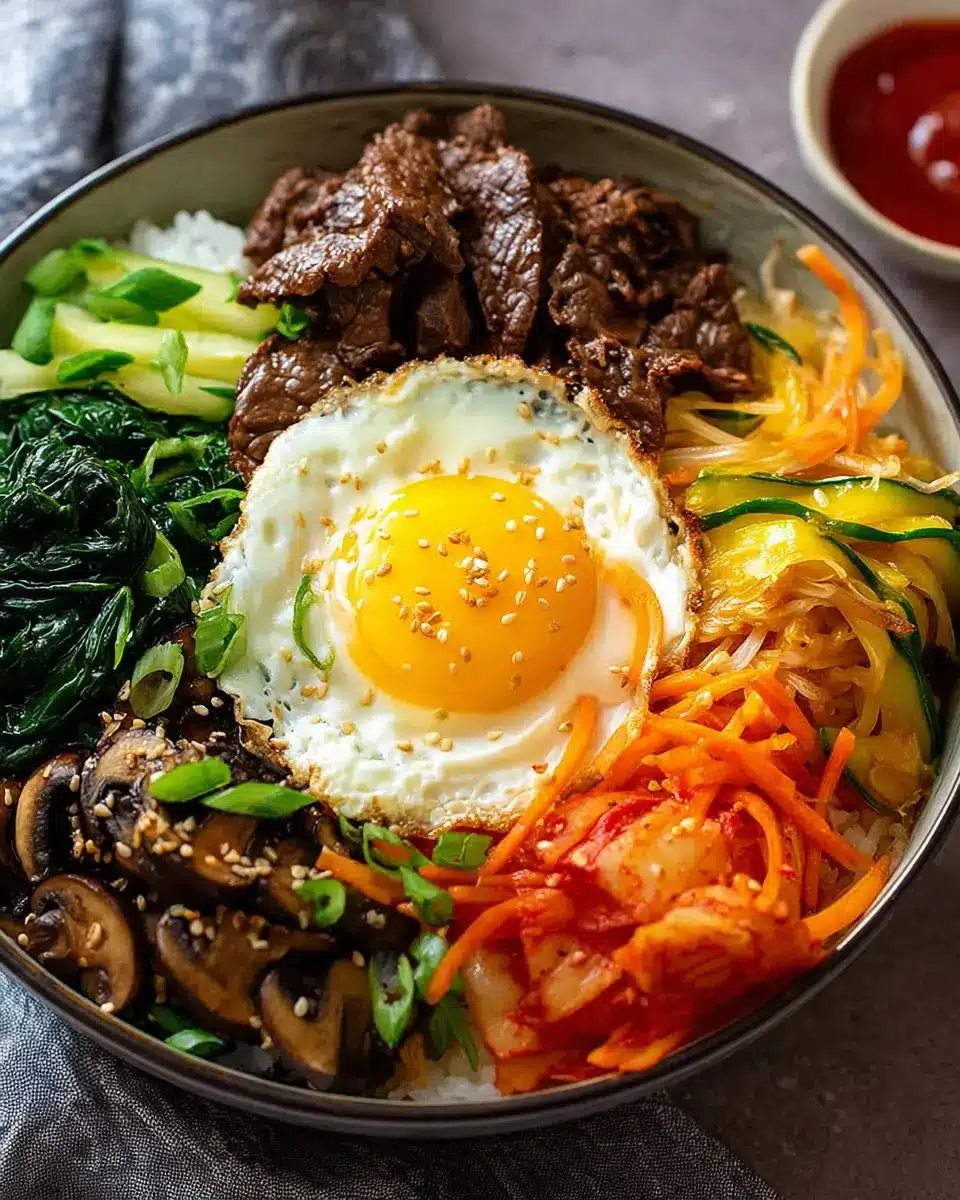
Ingredients for Bibimbap
Essential ingredients for a delicious bibimbap
A delightful bibimbap begins with a blend of essential ingredients that create its signature flavor and vibrant colors. Here’s what you need:
- Cooked white rice: 4 cups, preferably short-grain for the ultimate stickiness.
- Beef: 250g of tenderloin or steak, very finely sliced, marinated for a delectable taste.
- Vegetables: Carrots, zucchini, spinach, and bean sprouts are fundamental for that fresh crunch.
- Eggs: 4, fried or poached, adding richness to each bowl.
- Sesame seeds: 2 teaspoons for that extra nutty flavor.
For a complete bibimbap recipe, you might want to check out My Korean Kitchen.
Optional ingredients to customize your dish
One of the best parts of bibimbap is its versatility. Tailor your dish by adding:
- Mushrooms: Dried shiitake or any fresh variety you prefer for a deeper umami.
- Gochujang paste: Essential for that spicy kick—adjust the amount based on your heat preference.
- Mirin or rice vinegar: A touch can elevate the flavor profile.
- Additional vegetables: Consider bell peppers, radishes, or broccoli for a more colorful mix.
Feel free to experiment and make this dish your own!
Preparing Bibimbap
Bibimbap is more than just a meal; it’s a celebration of colors, textures, and flavors beautifully combined in one bowl. Let’s break down the steps to create your own delicious bibimbap at home!
Prepare the rice
The foundation of a great bibimbap recipe is, of course, the rice. Start by cooking about four cups of short-grain white rice, which is characteristically sticky and perfect for mixing. You can use a rice cooker or the stovetop method, whichever suits you best. Once cooked, let it cool slightly. The ideal rice should be warm but not hot, so it melds perfectly with the toppings you’ll be adding later.
Marinate the beef
Next up in our bibimbap adventure is the beef. You’ll want to slice 250 grams of beef tenderloin or a similar cut incredibly thin—freezing the meat for about 30 minutes can help make this easier. For marinating, combine a grated green apple, minced garlic, soy sauce, honey, and toasted sesame oil in a bowl. Add the beef slices and let them marinate for at least 30 minutes, though overnight is even better for infusing flavor. When ready to cook, heat a skillet over high heat, drain the excess marinade, and sauté the beef for about 3–4 minutes until it’s cooked through and caramelized to perfection.
Cook the vegetables
Now, let’s dive into the colorful medley of vegetables that will brighten up your dish. You can prepare all of them in one go, or multi-task with two skillets if you’re feeling brave! Start by rehydrating and slicing dried shiitake mushrooms soaked in boiling water. Sauté them with soy sauce, garlic, and a touch of sugar. For the carrots and zucchini, prepare them with some light salting for about 20 minutes to enhance their flavors before cooking. Lightly sauté them in vegetable oil until tender, then set aside. Don’t forget about the spinach and bean sprouts! The spinach needs a quick sauté with garlic and sesame oil, while the bean sprouts can be steamed or boiled briefly, then tossed with a bit of seasoning.
Make the bibimbap sauce
No bibimbap is complete without its signature sauce. Combine gochujang paste, mirin, rice vinegar, soy sauce, sugar, and minced garlic in a bowl, stirring until the sugar dissolves. This sauce packs a spicy, tangy punch that ties the whole dish together!
Combine and assemble the bibimbap
Finally, it’s time for assembly! Place the warm rice in bowls, then artfully arrange your colorful vegetables and marinated beef on top. Fry eggs to your liking (a runny yolk is a delightful touch!) and place them on top of the mound. Finish off with a sprinkle of sesame seeds and a drizzle of sesame oil. Don’t forget to serve your bibimbap sauce on the side, allowing everyone to customize their flavor experience.
With a bit of patience, you are now ready to enjoy a vibrant, hearty bowl of homemade bibimbap that brings the essence of Korean cuisine right to your kitchen!
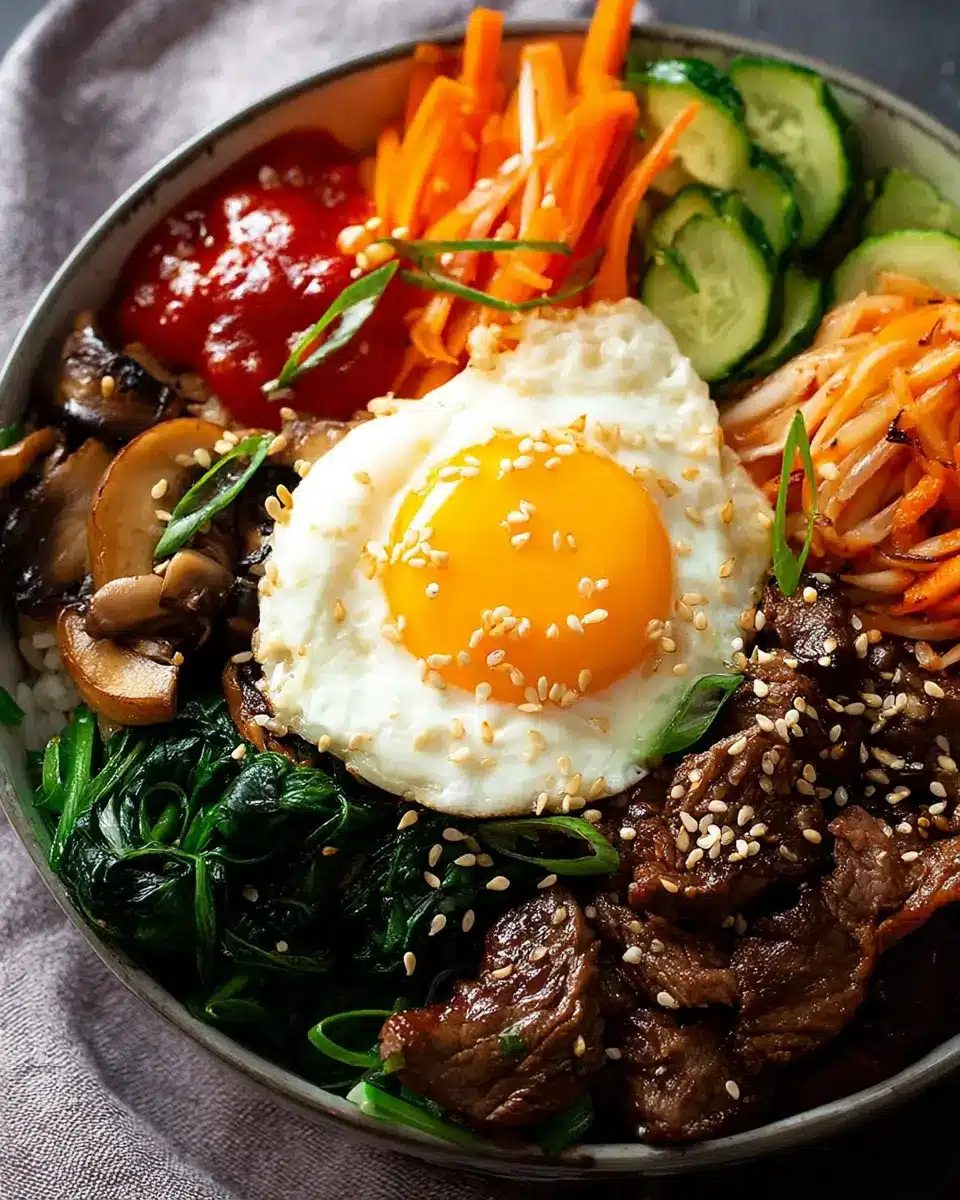
Variations on Bibimbap
Bibimbap is wonderfully adaptable, making it easy to customize for a range of dietary preferences!
Vegetarian bibimbap options
For those seeking a vegetarian bibimbap recipe, consider swapping out the beef for extra tofu or a medley of your favorite seasonal vegetables. Grilled eggplant, mushrooms, and a colorful assortment of bell peppers work beautifully. You can even add avocado for a creamy texture that complements the dish.
Spicy bibimbap variations
If you crave heat, elevate your bibimbap with additional gochujang or a sprinkle of Korean chili flakes (gochugaru). For those who enjoy seafood, try adding spicy tuna or marinated squid. Both variations add a unique twist and a flavor burst that will keep you coming back for more! Check out this Korean Cooking Essentials guide to explore more variations.
Cooking tips and notes for Bibimbap
Tips for perfecting the beef marinade
For a flavorful marinade that takes your Bibimbap recipe to the next level, don’t skip the grated green apple. This not only adds sweetness but also helps tenderize the beef, making every bite melt in your mouth. Allow the beef to marinate for at least 30 minutes but, if time permits, overnight is even better!
Suggestions for cooking vegetables
For perfectly cooked vegetables, aim for that beautiful crunch while ensuring they’re tender. Try using two skillets to save time — sauté each vegetable separately. For another layer of flavor, consider salting your carrots and zucchini beforehand; this step really enhances their taste and texture! Remember to drain them well after salting.
Serve each vegetable warm or at room temperature for the best experience. Happy cooking!
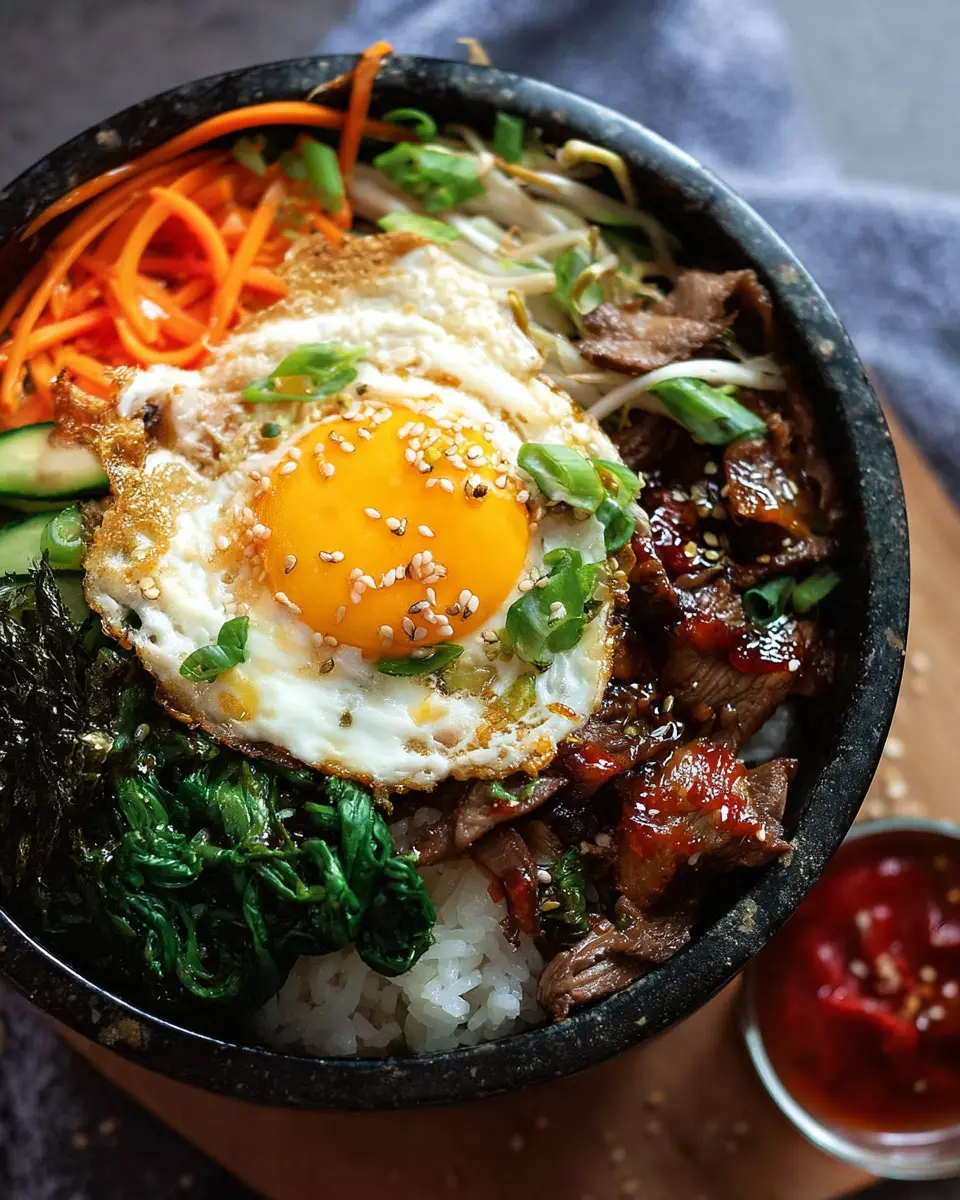
Serving suggestions for Bibimbap
Best practices for presentation
When it comes to showcasing your bibimbap recipe, presentation is key! Serve each component distinctly on a colorful plate or bowl to highlight the beautiful array of ingredients. Place a mound of warm rice in the center, and arrange the vegetables and beef artfully around it. Top with a perfectly fried egg, allowing the vibrant yolk to cascade over the rice. Finish with a sprinkle of sesame seeds and a drizzle of sesame oil for an appealing finish. This not only makes for a feast for the eyes, but it also sets the stage for an entirely delicious experience.
Ideal side dishes to complement bibimbap
Pair your bibimbap with side dishes that complement its rich flavors. Consider serving:
- Kimchi: This spicy fermented side dish adds a tangy kick that balances the meal beautifully.
- Korean pickled vegetables: Such as pickled radish or cucumbers, to provide a refreshing crunch.
- Seaweed salad: A light and umami-filled option that contrasts nicely with the heartiness of bibimbap.
These sides not only elevate your meal but also provide additional textures and flavors, creating a more satisfying dining experience. So, don’t shy away from exploring those vibrant Korean flavors!
Time breakdown for Bibimbap
Preparation time
Getting ready to make this bibimbap recipe will take around 30 minutes. This includes marinating the beef and prepping your vegetables.
Cooking time
Once you're all set, the actual cooking takes an additional 20 minutes. This includes sautéing the vegetables and frying the eggs to perfection.
Total time
All together, you’re looking at about 50 minutes from start to finish. It’s a wonderful way to spend a little time creating a delicious and wholesome meal! For more insights on Korean cuisine, check out Maangchi for tips on mastering traditional dishes.
Nutritional Facts for Bibimbap
When diving into the delightful world of this bibimbap recipe, understanding its nutritional profile can enhance your culinary experience. Here’s a quick snapshot:
Calories
A serving of bibimbap packs about 689 calories, making it a filling option for any meal, especially after a busy day.
Protein
With approximately 27 grams of protein per serving, this dish offers a satisfying source of this essential macronutrient, perfect for muscles and overall health.
Carbohydrates
At around 73 grams of carbohydrates, bibimbap provides you with ample energy to fuel your active lifestyle, thanks to the wholesome rice and abundant vegetables.
Enjoy creating this delicious and nutritious meal while savoring the balance of flavors and textures! Consider checking out resources like Healthline for more insight on the benefits of various ingredients used in this bibimbap recipe.
FAQs about Bibimbap
What can I substitute for gochujang?
If you can't find gochujang, a Korean chili paste essential for your bibimbap recipe, you can create a substitute using red chili powder mixed with miso paste and a touch of honey for sweetness. Alternatively, a sriracha sauce mixed with miso can work in a pinch, though it will change the flavor profile slightly.
How can I make bibimbap suitable for meal prep?
This bibimbap recipe is perfect for meal prep! Simply cook the individual components—rice, beef, and veggies—in advance and store them in separate containers. Assemble your bowls as needed throughout the week. The flavors meld beautifully, so it's great to enjoy them heated or at room temperature!
Is bibimbap gluten-free?
Yes, bibimbap can easily be made gluten-free. Just make sure to use certified gluten-free soy sauce and ensure that all other ingredients are gluten-free. This way, you can relish a wholesome, delicious meal without any worries! For more tips on gluten-free cooking, check out resources like the Gluten Intolerance Group.
Conclusion on Bibimbap Recipe
This bibimbap recipe is not just a meal; it’s an experience bursting with vibrant flavors and textures. Ideal for a cozy night in or impressing dinner guests, this dish provides both nutrition and satisfaction. Enjoy crafting your own bowl, and don't forget to experiment with your favorite toppings! For an additional dive into bibimbap, check out Korean Bapsang for more tips and tricks.
Bibimbap
Equipment
- Skillet
- Mixing Bowl
- cutting board
- Knife
Ingredients
Rice
- 4 cups cooked white rice preferably short grain
Eggs and Garnish
- 4 eggs
- 2 teaspoon sesame seeds
Korean Beef & Marinade
- 250 g beef tenderloin or thick steak very finely sliced
- ¼ green apple grated
- 3 cloves garlic minced
- 1 tablespoon soy sauce light or all purpose
- 1 tablespoon honey or brown sugar
- 2 teaspoon sesame oil toasted
Vegetables
- 2 large carrots cut into batons
- 2 large zucchini cut into batons
- 1 bunch spinach cut into lengths
- 8 large dried shiitake mushrooms
- 4 cups bean sprouts
- 2 teaspoon garlic minced
- 8 teaspoon vegetable oil separated
- ½ teaspoon salt
- 1.5 teaspoon soy sauce light or all purpose
- ¼ teaspoon fish sauce sub soy
- ¼ teaspoon white sugar
- Sesame oil toasted
Bibimbap Sauce
- 4 tablespoon gochujang paste
- 2 tablespoon mirin
- 2 tablespoon rice vinegar
- 1.5 teaspoon soy sauce
- 3 teaspoon white sugar
- 1 clove garlic finely grated
- 2.5 teaspoon sesame oil toasted
Instructions
Bibimbap Sauce
- Mix ingredients until sugar is dissolved.
Marinated Beef
- Mix the marinade in a bowl, then add beef. Marinate for 30 minutes to overnight.
- Heat 2 teaspoon oil in a large skillet over high heat. Let excess marinade drip off then add beef. Cook for 3 to 4 minutes until cooked and there’s some caramelised bits, then remove from skillet.
- Keep warm until required or reheat to warm.
Prepare Vegetables
- Soak mushrooms in a large bowl of boiling water for 30 minutes, or until rehydrated. Drain, squeeze out excess water, then slice.
- Place carrot and zucchini in separate bowls, sprinkle each with ¼ teaspoon salt, toss, leave for 20 minutes then drain excess liquid.
Cook Vegetables
- Heat 2 teaspoon oil in a skillet over medium high heat. Cook mushrooms for 2 minutes. Add 1.5 teaspoon soy, ¼ teaspoon sugar, ½ teaspoon of garlic. Stir for 1 minute, then remove.
- Add 2 teaspoon oil into the skillet, cook carrot until just tender (5 to 8 minutes), then remove.
- Cook zucchini as with carrot for 4 minutes.
- Heat 2 teaspoon veg with a splash of sesame oil. Saute spinach until starting to wilt. Add ½ teaspoon garlic, and salt to taste, stir, then remove. Squeeze to drain out excess liquid.
- Simmer bean sprouts in water for 5 min or steam in microwave for 3 min until floppy. Drain and mix with 2 teaspoon sesame oil, 1 teaspoon garlic, and ¼ teaspoon fish sauce.
Assemble
- Fry eggs in a skillet to your taste (I like mine with runny yolks).
- Place warm rice in bowls.
- Top with vegetables and beef, then the egg.
- Sprinkle with sesame seeds, drizzled with sesame oil. Serve with Bibimbap Sauce!

Leave a Reply