
Introduction to Perfect Dumpling Dough
The joy of homemade dumplings
There’s something magical about making dumplings from scratch. Picture this: you gather your friends and family around the dining table, laughter filling the air as you shape your very own dumplings. It’s not just a meal; it’s an experience that brings everyone together. Making your own perfect dumpling dough elevates this culinary adventure, allowing you to craft a tender, yet sturdy wrapper that perfectly encases your favorite fillings.
Creating this dough might sound daunting, but it’s surprisingly simple—just flour, water, and a pinch of salt. Whether you're a novice or seasoned cook, you'll find the process rewarding. Experts often suggest using a blend of all-purpose and cake flour to achieve that blissful balance between elasticity and tenderness, making your dumplings a delight to bite into.
Plus, with homemade dough, you can customize thickness and flavor to your heart’s content. Want to experiment with herb-infused dough or a touch of spice? Go for it! This flexibility opens up a world of culinary creativity.
Ready to embark on your dumpling-making journey? Let’s whip up that perfect dumpling dough together! For a deeper dive into dumpling history and techniques, consider checking Serious Eats for more tips.
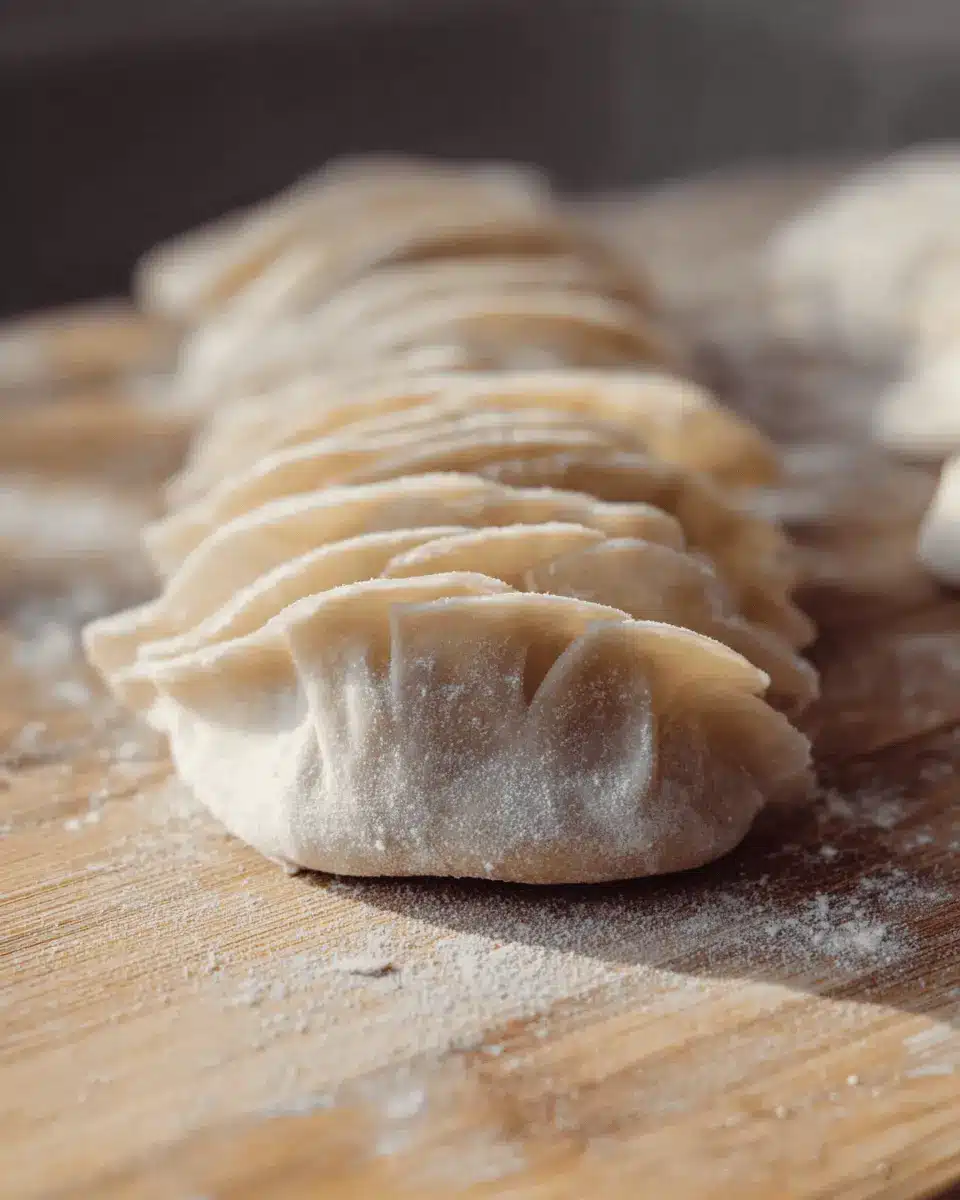
Ingredients for Perfect Dumpling Dough
Essential ingredients for the dough
Creating perfect dumpling dough hinges on a few simple yet essential ingredients. Start with 300 grams of all-purpose flour—you can also experiment by mixing 50% cake flour with 50% all-purpose flour for a softer finish. A touch of ¾ teaspoon of salt enhances flavor while 175–200 ml of boiling water brings everything together. The hot water works wonders in hydrating the flour, ensuring a smooth and pliable dough.
Alternative flour options
If you're looking to mix things up or accommodate dietary preferences, there are fantastic alternatives! For a gluten-free option, consider using rice flour or gluten-free blends. Whole wheat flour also adds a nutty flavor and more nutrition. Just keep in mind that variations in flour might affect the water quantity, so adjust as needed. Don't hesitate to explore options like soba or edamame flour for unique textures.
For more detailed information on different types of flours, check out this article from The Kitchn.
Step-by-step Preparation for Perfect Dumpling Dough
Making your own perfect dumpling dough may seem daunting, but trust me, it's easier than you think! Follow these five simple steps to create dough that is soft, elastic, and perfect for wrapping all your favorite fillings.
Gather your gear and ingredients
Before diving into the dough-making process, it's essential to gather everything you need. Here’s your checklist:
-
Ingredients:
-
300 g all-purpose flour (or a mix of 50% cake flour and 50% AP flour)
-
175 – 200 ml boiling water (or room temperature for boiled dumplings)
-
¾ teaspoon salt
-
Extra flour for dusting
-
Equipment:
-
Mixing bowl
-
Chopsticks or fork
-
Plastic wrap
-
A clean cloth napkin
-
Rolling pin (optional)
Having everything at hand will make the process smooth and enjoyable!
Mix flour and salt
Start with the flour and salt blend. In your mixing bowl, combine the all-purpose flour and salt thoroughly. This simple mix is crucial for flavor and ensures your dough has the right consistency.
Create a well and add water
Next, make a well in the center of the flour mixture, just like you would when making pasta. Slowly pour in about 130 ml of the boiling water while stirring with chopsticks or a fork. The heat helps activate the flour, which is key for achieving that perfect texture. Gradually add more water until the mixture forms clumps—a little mess is completely normal at this stage!
Knead the dough to perfection
Once your dough has clumped together, turn it out onto a lightly floured surface and get ready to knead! Spend a few minutes working the dough with your hands until it becomes smooth and soft—aim for that ear lobe soft texture. If it's too sticky, sprinkle a bit more flour, and if it's too dry, add a tiny splash of water (half a teaspoon at a time).
Resting the dough for optimal texture
Resting is a game-changer when it comes to perfect dumpling dough. Divide the kneaded dough into four portions, wrap them in plastic wrap, and let them rest for at least 30 minutes (an hour is even better). This allows the gluten to relax, making your dough easier to work with when it’s time to roll out those wrappers.
And there you have it! Follow these steps, and you’ll be well on your way to creating delightful dumplings that will impress your friends and family. Plus, don’t forget to check out resources like Serious Eats for expert cooking tips and tricks!
Now that you’ve mastered the dough, why not experiment with various fillings? Keeping a balance between the dough’s flexibility and your desired ingredients will enhance your dumpling experience. Happy cooking!
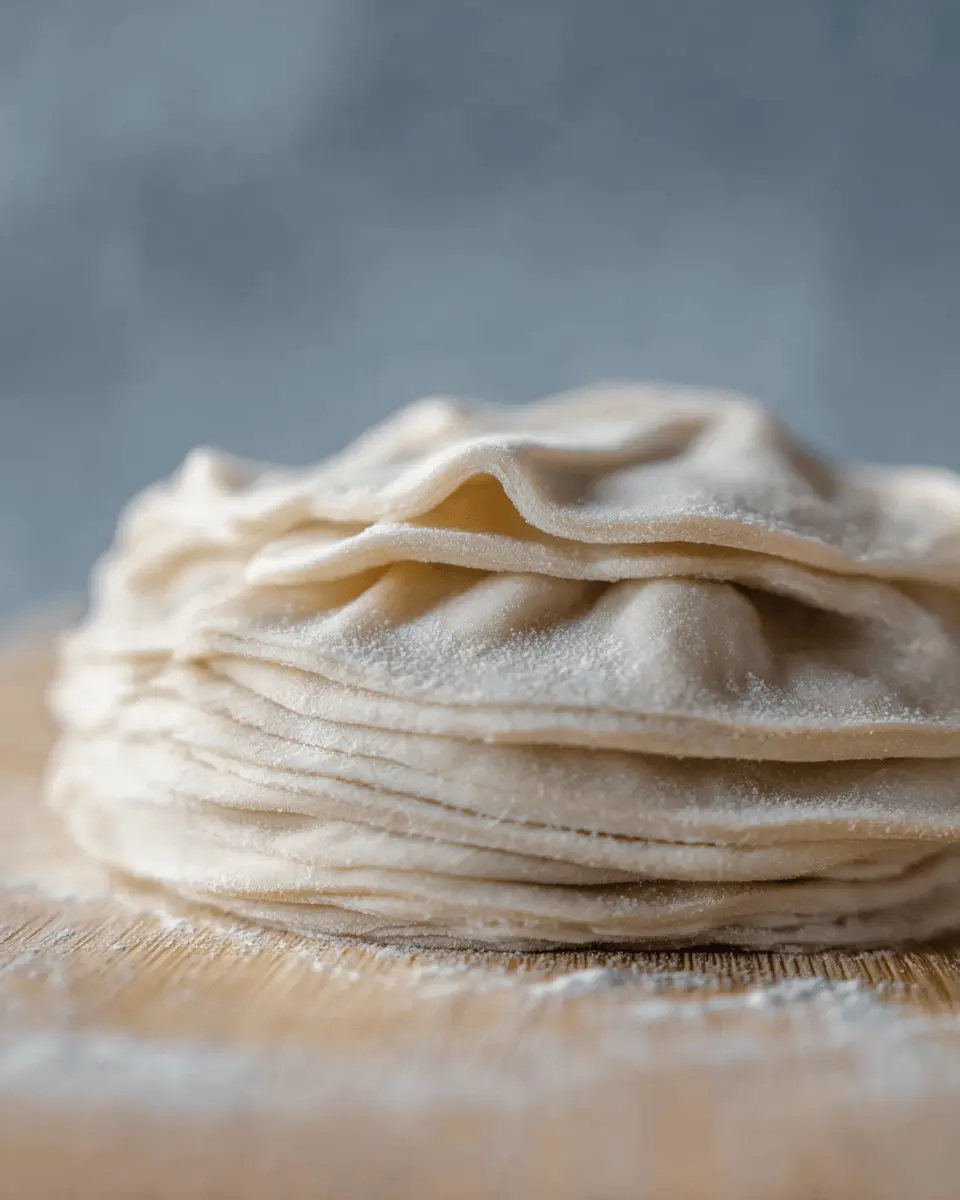
Variations of Perfect Dumpling Dough
Gluten-free Dumpling Dough
If you're following a gluten-free diet, don't worry; you can still enjoy delicious dumplings! Using a blend of gluten-free flour, such as rice flour, tapioca starch, and potato starch, you can create a satisfying dough. Combine these flours with warm water and a pinch of salt, just like the traditional method. Knead until smooth, and let it rest to hydrate. For more tips on gluten-free cooking, check out the Celiac Disease Foundation.
Vegetable-infused Dumpling Dough
Want to add some pizzazz to your dumplings? Try creating a vegetable-infused perfect dumpling dough! Simply blend cooked spinach, beetroot, or carrot puree into your dough. This not only adds color but also nutritional value. Mix the puree with your flour and water, adjusting the liquid as necessary. Your dumplings will look vibrant and taste amazing, making them a delightful addition to your dinner table!
Cooking Tips and Notes for Perfect Dumpling Dough
Achieving the Right Consistency
To ensure your perfect dumpling dough, aim for a smooth yet slightly firm texture. The ideal dough should be soft, resembling that of an ear lobe in texture. If you find your dough too sticky, sprinkle in a little more flour; if it's too dry, add a splash of water—about half a teaspoon at a time.
Storing and Reheating Dough
When storing your dumpling dough, wrap each portion tightly in plastic wrap or place it in zip-lock bags to prevent drying out. If you're not using it immediately, refrigerate for up to 24 hours; just be sure to bring it back to room temperature before rolling. For reheating, a brief steam or microwave session will revive that delightful softness. For hints on dough consistency, check out this helpful guide on dough hydration.
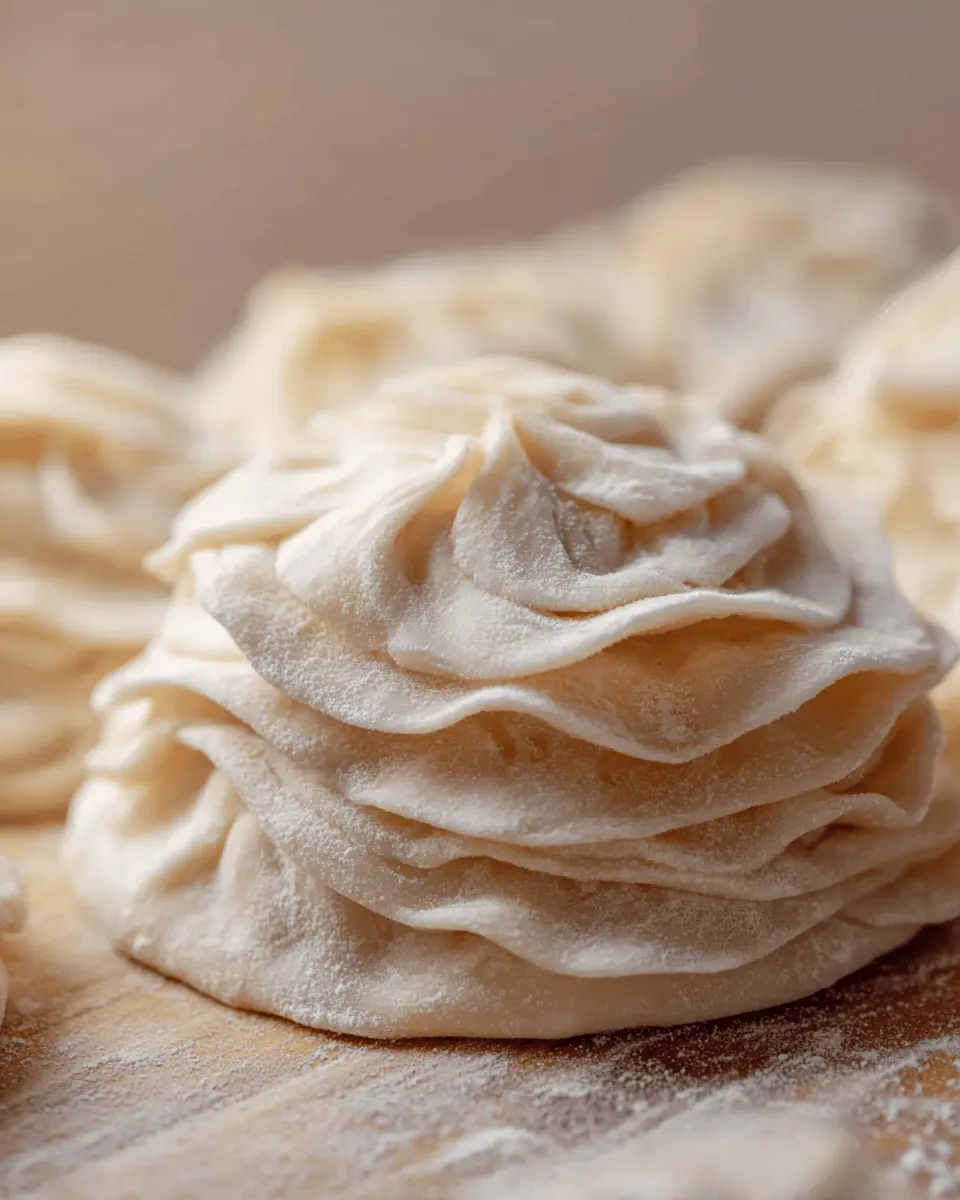
Serving Suggestions for Perfect Dumpling Dough
Dumplings Served with Sauces
One of the joys of working with perfect dumpling dough is how versatile it can be when served with various sauces. Try pairing your dumplings with:
- Soy Sauce: A classic choice that adds saltiness and depth.
- Chili Oil: For those who crave a spicy kick.
- Sesame Sauce: A nutty and creamy alternative that complements the flavors beautifully.
Experimenting with these can elevate your meal and give each bite a unique twist!
Accompaniments for a Complete Meal
To round out the experience, consider serving your dumplings with sides that enhance their flavor. Here are some favorites:
- Stir-Fried Vegetables: Colorful and nutritious, they add freshness to your plate.
- Rice or Noodles: A filling base that balances the meal while offering a delicious texture.
- Pickled Vegetables: They provide a tangy contrast that keeps things exciting.
Combining these elements creates a delightful culinary experience that your guests will love! Curious about pairing ideas? Check out more on Serious Eats for inspiration.
Time Breakdown for Perfect Dumpling Dough
Preparation time
Creating your perfect dumpling dough takes about 15 minutes. This includes mixing your flour, salt, and water, and bringing everything together into a cohesive dough.
Resting time
Once you’ve mixed and kneaded your dough, it’s time to let it rest. Aim for a total of 30 minutes to 1 hour. Resting allows the gluten to relax, making the dough easier to roll out.
Total time
In total, you’re looking at about 45 minutes to 1 hour and 15 minutes from start to finish. With just a little patience, you’ll have delicious, homemade dumpling wrappers ready for your favorite fillings! For more tips on resting dough, check out this guide from Serious Eats on dough preparation.
Whether you’re preparing these for a cozy night in or impressing friends at a dinner party, the time invested will definitely be worth it!
Nutritional Facts for Perfect Dumpling Dough
When it comes to crafting perfect dumpling dough, knowing the nutritional facts can help you enjoy your culinary creation guilt-free. Here’s a quick look at what goes into each dumpling wrapper:
Calories per wrapper
Each dumpling wrapper clocks in at approximately 34 calories. This makes them a light option for both appetizers and main courses.
Protein content
You can expect about 1 gram of protein per wrapper. This adds a small boost to your daily intake, especially when combined with protein-rich fillings like chicken or tofu.
Sodium levels
With just 55 milligrams of sodium per wrapper, you can savor your dumplings without worrying too much about salt intake. This makes it easier to maintain a balanced diet while enjoying your homemade meals.
By being mindful of these nutritional aspects, you're set to enjoy a delightful dumpling experience without compromising your health goals. For more nutritional guidance, you might find resources from the USDA FoodData Central helpful!
FAQs about Perfect Dumpling Dough
What temperature water should I use for the dough?
For perfect dumpling dough, using hot water is key when making wrappers for pan-fried or steamed dumplings. Aim for boiling water, as it helps to properly hydrate the flour and ensures a tender texture. If you plan to make boiled dumplings, stick to room temperature water; this will result in thicker, sturdier wrappers that hold up well during cooking.
How can I prevent dumpling wrappers from sticking together?
To keep your dumpling wrappers from sticking, be generous with flour. Dust both your work surface and rolling pin before rolling out the wrappers. Additionally, place a light layer of flour between each wrapper when stacking them. Avoid packing them directly on top of one another, as this can lead to unwanted sticking.
Can I freeze the dumpling wrappers?
Absolutely! Freezing your perfect dumpling dough wrappers is a great way to prep ahead. Simply stack them with flour in between and store them in an airtight container or freezer bag. When you’re ready to use them, let them thaw at room temperature before filling and cooking. For more tips on freezing dumplings, check out this helpful guide.
Conclusion on Perfect Dumpling Dough
Embracing the Homemade Dumpling Experience
Creating perfect dumpling dough at home is a rewarding experience that brings friends and family together. The satisfaction of making your own wrappers adds a personal touch to each bite, elevating your culinary skills. Remember, practice makes perfect, so roll up your sleeves, experiment, and enjoy the delicious journey!
Perfect Dumpling Dough
Equipment
- Mixing Bowl
- stand mixer
- food processor
- Rolling Pin
- Pasta Machine
Ingredients
Dough Ingredients
- 300 g all purpose flour or a mix of 50% cake flour and 50% AP flour
- 175-200 ml boiling water use room temperature water if making boiled dumplings
- ¾ teaspoon salt
- extra flour for dusting
Instructions
By hand
- In a bowl, mix the flour and salt together.
- Create a well in the middle (like you would when making pasta).
- Slowly add about 130 ml of the hot water, while mixing with chopsticks or a fork until the flour forms clumpy bits.
- Add up to 70 mL of the rest of the hot water (or room temperature water, if using), while mixing, to form a clumpy dough.
- Gently mix the dough by hand to bring it together to form a scraggly dough, with no dry spots.
- Cover the bowl with plastic wrap and let it rest for 20 – 30 minutes.
- Knead the dough for a few minutes until it looks smooth and feels supple (ear lobe soft).
- Roughly separate the dough into 4 portions, wrap them in plastic wrap (or place them in ziploc bags) and let the dough rest for at least 30 minutes at room temperature.
- You should get a dough that is soft, not sticky, and firm enough to hold its shape.
By stand mixer
- Place the flour and salt in the bowl of your mixer.
- Stream in the 130 ml of hot water, while running the mixer on low.
- Replace the mixer attachment with the kneading attachment.
- Add the rest of the hot water (or room temperature water) while kneading the dough.
- Knead the dough until you have a soft, supple, smooth dough.
- Portion the dough into 4, and wrap each portion in plastic wrap or put it in ziploc bags, and let the dough rest for at least 30 minutes.
By food processor
- Process the flour and salt for a few seconds to mix.
- In a steady stream, pour about 130 mL of the hot water while the processor is running.
- Add the rest of the water until the mix starts to resemble very coarse crumbs.
- Turn the dough out onto a lightly floured surface.
- Using your hands, bring the flour clumps together to form a soft but firm ball of dough.
- Knead the dough further on your work surface for a few minutes.
- Divide the dough into 4, and wrap each portion in plastic wrap (or place it in ziploc bags). Let the dough rest for at least 30 minutes.
Making the dumpling wrappers
- If you're using the dough the following day instead, place it in the fridge (sealed in plastic bags), and then return it back to room temperature before handling it.
- Lightly dust your work surface and rolling pin with flour, and have a clean cloth napkin and a well floured area ready to place your cut wrappers.
- Take one portion of dough, and roll it out into a tube that's about 1 ½ inches in diameter.
- Cut the tube into 8 or 9 equal portions.
- Place one portion of the dough on a lightly floured surface, with the cut side down.
- Press down on the dough with the heel of your palm to flatten it slightly.
- Use a small rolling pin to roll out the dough into a circle that is about 2.5 – 3 inches in diameter.
- This method will take some practice to get it right.
- You should end up with a dumpling wrapper that is about 4 inches in diameter, and slightly thicker in the middle.
Leave a Reply