
Introduction to Pizza Dough Recipe
There's something magical about homemade pizza, and it all begins with a great pizza dough recipe. Making your own dough not only gives you control over the ingredients but also allows for endless creativity with flavors and textures. Instead of settling for store-bought options, crafting your dough from scratch can transform a simple meal into a culinary masterpiece.
Why Homemade Pizza Dough is the Best Choice
Homemade pizza dough is not just about taste; it’s about the experience and satisfaction that comes from creating something delicious. Here are a few reasons why making your own dough is a fantastic choice:
- Quality Control: You control every ingredient. No preservatives or artificial flavors—just fresh, high-quality components that you can feel good about.
- Customization: Want a whole wheat crust? Maybe a herb-infused dough? With homemade dough, you can experiment with various flours and flavors to match your preferences.
- Cost-Effective: In the long run, making pizza at home can save you money compared to dining out or ordering in.
- Fun Activity: It’s a delightful way to spend time with friends or family, turning pizza night into an event everyone can enjoy.
With a little patience and practice, you’ll find that mastering this pizza dough recipe is well worth the effort. Ready to start? Let’s dive into the ingredients and steps that will lead you to your perfect pizza!
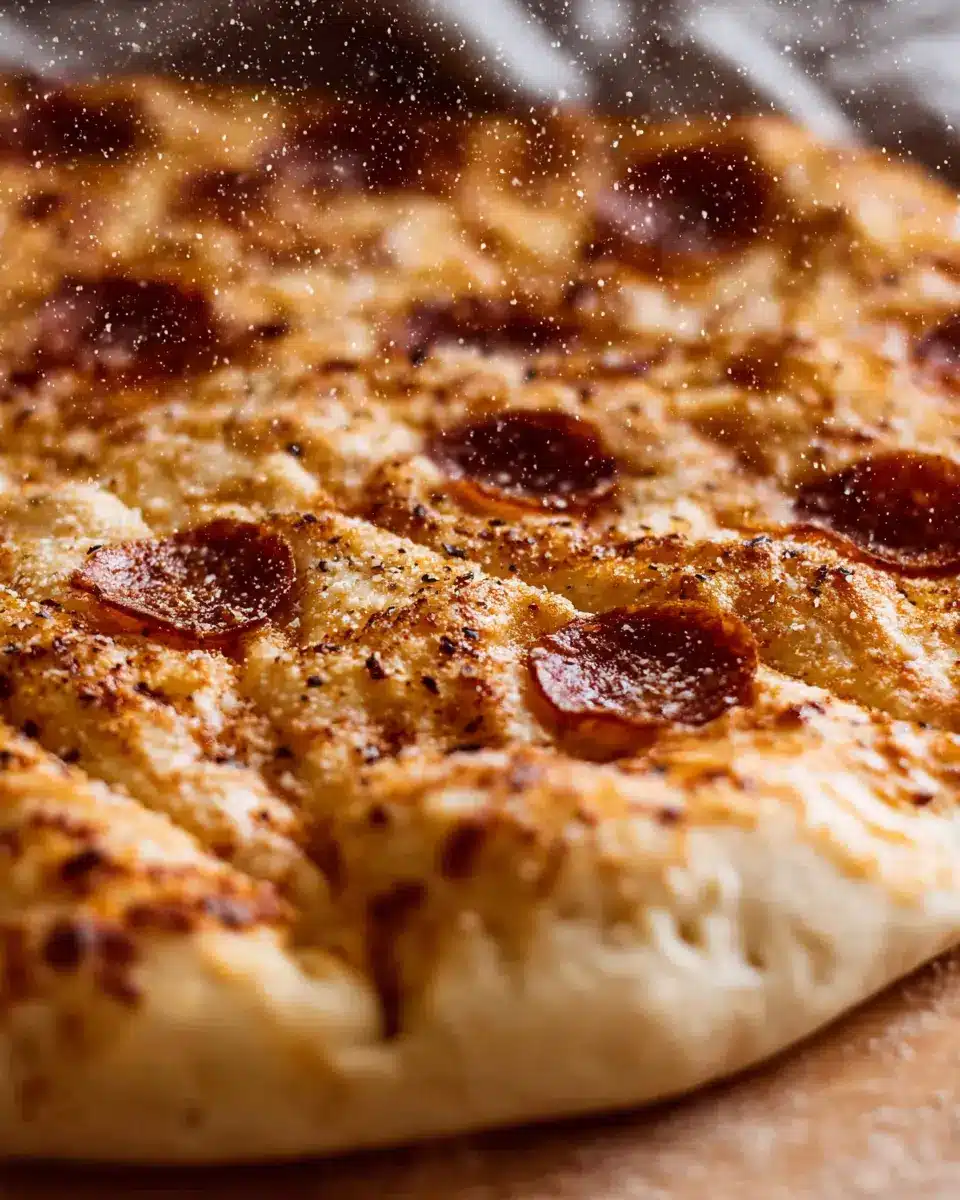
Ingredients for Pizza Dough Recipe
Creating the perfect pizza starts with a solid foundation, and that's where your pizza dough recipe comes in. Understanding the ingredients not only helps in achieving the right texture and taste but also adds a layer of fun to your cooking experience!
Essential Ingredients for Perfect Dough
- Bread Flour or Pizza Flour: 600g (4 cups) is key for that chewy texture. If you can’t find it, all-purpose flour works too!
- Yeast: 2 teaspoon of rapid rise or instant yeast gives your dough that perfect rise.
- Salt: 2.5 teaspoon of kosher or cooking salt enhances flavor and structure.
- Sugar: 4 teaspoon adds a subtle sweetness and helps with browning.
- Olive Oil: 4 tablespoon of extra virgin olive oil makes your dough nice and supple.
- Warm Water: 330 ml (1 ⅓ cups) activates the yeast and brings everything together.
Optional Ingredients for Added Flavor
To elevate your dough beyond the basics, consider these optional add-ins:
- Herbs: Dried oregano or basil can be mixed in for a flavorful twist.
- Garlic Powder: A teaspoon can enrich the aroma and taste.
- Parmesan Cheese: Mixing in a handful can offer a delightful nutty flavor.
Exploring these ingredients allows you to customize your pizza dough recipe to your taste, making each homemade pizza truly unique! For a traditional sauce, check out this pizza sauce recipe, and don’t forget to gather your favorite toppings from this guide. Happy cooking!
Step-by-step Preparation of Pizza Dough
Making your own homemade pizza dough is an art that rewards you with delicious results. Follow these simple steps, and you’ll be ready to dance with dough in no time!
Mixing the Dry Ingredients
Let’s kick things off by gathering your essentials! In a large bowl, combine 600g (4 cups) of bread flour or pizza flour, 2 teaspoons of rapid-rise or instant yeast, 2.5 teaspoons of salt, and 4 teaspoons of sugar. Mix these dry ingredients with a wooden spoon until they’re fully integrated. The salt is key for flavor, while the yeast will give your dough that lovely rise.
Adding Wet Ingredients
Next, create a well in the center of your dry mixture. It’s like preparing a nest for the liquid ingredients! Pour in 4 tablespoons of extra virgin olive oil and 330 ml (1 ⅓ cups) of warm water—make sure the water isn’t too hot, as you don’t want it to kill the yeast. Mix everything until it begins to resemble a rough dough that pulls away from the sides of the bowl.
Kneading the Dough
Now, it’s time for some hands-on action! Sprinkle about half of the extra flour on your work surface and dump the dough out of the bowl. Knead the dough for about five minutes until it feels smooth and elastic. Don’t stress too much if it’s not perfectly smooth; a little stickiness is completely fine. Kneading properly is essential for achieving a great texture!
First Rise
Once kneaded, shape your dough into a ball and place it into a clean bowl lightly drizzled with extra olive oil. Turn it to coat the top. Cover the bowl with cling wrap and place it in a warm spot for about one to two hours, or until it doubles in size. This step is crucial for developing that airy pizza crust you crave.
Second Rise and Shaping
After your dough has risen, it’s time to shape it! Gently deflate the dough and turn it out onto a lightly floured surface. Divide it into three equal portions, about 330g each—perfect for making individual pizza bases. Roll each piece into a ball, making sure to tuck the edges underneath for a smooth appearance. Place them on a tray, cover lightly with a damp tea towel, and let them rise again for about an hour.
Stretching the Dough for Pizza Bases
Preheat your oven to a scorching 275°C (530°F). This intense heat will give you that pizzeria-style crust we all love. On a floured surface, take a dough ball and start deflating it gently with your fingertips, shaping it into a round of about 20cm (8 inches). Work your way around the edges, gradually stretching it into a larger circle, leaving about 1 cm (⅓ inch) around the edge for the crust.
And there you have it! With your pizza dough ready, it’s time to unleash your favorite toppings. If you want some inspiration, check out our pizza sauce recipe or explore topping ideas here. Enjoy crafting your very own artisan pizza right at home!

Variations on Pizza Dough
Whole Wheat Pizza Dough
For a nutritious twist on your classic pizza dough recipe, try using whole wheat flour! This option adds fiber and nutrients while maintaining a delicious flavor. Just substitute half or all of the bread flour with whole wheat flour, and you’ll enjoy a heartier crust that pairs perfectly with fresh toppings. You might need a bit more water to achieve the ideal dough consistency, so adjust as necessary!
Cauliflower Crust for Low-Carb Pizza
If you're looking for a low-carb alternative, consider a cauliflower crust. Simply pulse cooked cauliflower in a food processor, mix with cheese and eggs, and bake until golden. This gluten-free option is not only lighter but also a great way to sneak in some veggies. Check out this recipe for guidance on making a delightful cauliflower crust that your taste buds will love!
Cooking Tips and Notes for Pizza Dough
Tips for Kneading and Rising
When working with your pizza dough recipe, ensure a good balance of moisture and flour. Knead it for about five minutes until it's smooth, but don't stress if it's slightly sticky; a softer dough leads to a chewy crust. For rising, try to find a warm spot in your kitchen—like the top of your stove while preheating! Cover the bowl with cling wrap or a damp towel to maintain humidity.
Common Mistakes to Avoid
Avoid overloading your pizza with toppings, as this can weigh down the pizza dough and result in a soggy base. Also, be cautious with your oven temperature—baking at the highest possible heat is crucial for achieving that perfect crust. Lastly, don't skip the resting period after forming the dough balls; giving them time to rise again will create a lighter, airier crust. Check out more tips here.

Serving Suggestions for Homemade Pizza
Perfect Pairings with Pizza
When you whip up your pizza dough recipe, the flavors can be boosted with the right accompaniments. Think about pairing your slice with vibrant, fresh salads, like a classic Caesar or a zesty arugula salad. For something heartier, consider grilled vegetables or a creamy dip like garlic aioli, which melds perfectly with the rich cheesiness of the pizza.
Side Dishes to Enhance Your Meal
To round out your pizza night, side dishes can elevate the experience. Crunchy garlic bread or stuffed cheesy breadsticks make delightful companions. You might also enjoy some crispy potato wedges or a light antipasto platter featuring olives, prosciutto, and marinated artichokes. For a sweeter finish, fresh fruit or a simple dessert like tiramisu can add that perfect ending!
Time Breakdown for Pizza Dough Preparation
Preparation Time
Getting your pizza dough ready takes about 5-10 minutes. In this quick phase, you'll mix your dry ingredients and then incorporate the wet ingredients to create a harmonious dough.
Rising Time
The rising time is crucial for developing that airy texture. Allow the dough to rise for 1–2 hours at room temperature, or up to 5 days in the fridge for enhanced flavor. This leisurely rise ensures the yeast does its magic.
Total Time
From start to finish, including preparation and rising, you're looking at approximately 1.5 to 2.5 hours. That’s a small investment for a delicious homemade pizza. Why not get started on your very own pizza dough recipe today?
For detailed steps, check out our complete Pizza Dough Recipe.
Nutritional Facts for Pizza Dough
Calories per Slice
When indulging in your homemade pizza, it's helpful to know what you're consuming. Each slice of pizza dough (assuming you cut your pizza into eight delicious wedges) contains around 116 calories. This low-calorie option allows you to enjoy your favorite pizza recipes without the guilt.
Macros Overview
Let’s break down the macronutrients in your pizza dough:
- Carbohydrates: 19g (6%)
- Protein: 3g (6%)
- Fat: 3g (5%)
- Saturated Fat: 1g (6%)
With a moderate amount of protein and fat, this pizza dough recipe strikes a nice balance for a satisfying meal. If you're looking to enhance your nutrition further, consider adding some seasonal veggies as toppings or switching up your cheese selection. Want to take it to the next level? Check out this nutritional guide for more insights on maintaining a balanced diet while enjoying your favorite foods.
FAQs about Pizza Dough Recipe
Can I freeze pizza dough?
Absolutely! After the initial rise, shape your dough into a log and cut it into portions. Lightly coat each ball with olive oil before placing them in ziplock bags. You can freeze the dough for up to three months. When you're ready to use it, simply thaw it overnight in the fridge, then allow it to rise for 3-4 hours before shaping.
How long can the dough rise?
Typically, the dough can rise for 1-2 hours until it doubles in size. However, if you're looking to develop a richer flavor, refrigerating the dough can enhance its taste. Just remember to let it sit in the fridge for up to 5 days after the first rise without punching it down.
What toppings work best?
When it comes to toppings, freshly grated mozzarella is a must for that perfect melt. From classic pepperoni to flavorful turkey bacon, the options are endless. For a gourmet touch, you might add some fresh basil or even chicken ham for variety. Just remember not to overload your pizza; a balanced approach works best! For more topping ideas, check our pizza topping guide here.
Conclusion on Homemade Pizza Dough
Embracing the Joy of Homemade Pizza
Creating your own pizza dough recipe is an incredibly satisfying experience. Imagine the delightful aroma of freshly baked dough and the endless topping possibilities! Whether you’re a novice or a pizza aficionado, homemade pizza can transform your meal into an unforgettable feast. Embrace the creative process and enjoy every bite!

Pizza Dough recipe
Equipment
- Large Bowl
- Wooden spoon
- oven
- Pizza Pan
Ingredients
Dough Ingredients
- 600 g bread flour or pizza flour (or plain/all purpose)
- 2 teaspoon rapid rise or instant yeast
- 2.5 teaspoon salt kosher / cooking salt
- 4 teaspoon white sugar
- 4 tablespoon extra virgin olive oil
- 330 ml warm tap water
For Working
- 1 tablespoon Extra Flour
- 2 teaspoon Extra Olive Oil
Toppings
- 130 g mozzarella cheese freshly grated per pizza
- ¼ cup pizza sauce per pizza
- Toppings of choice as desired
Instructions
Dough
- Mix dry: Place flour, yeast, sugar and salt in a large bowl. Mix with a wooden spoon.
- Add wet: Make a well in the center. Pour in oil and water. Mix to bring together so it comes away from the side of the bowl.
- Knead for 5 minutes: Sprinkle work surface with ½ the Extra Flour. Scrape dough out of bowl. Bring together into a ball then knead for 5 minutes until pretty smooth. Shape dough into a ball.
Rise #1
- Drizzle large bowl with Extra Olive Oil. Place dough in, turn over and rub top with oil. Cover with cling wrap, then put in a warm place for 1 – 2 hours until it doubles in size.
Optional fridge – flavour development
- After rising, refrigerate bowl with dough for up to 5 days.
Form small balls, Rise #2
- Scrape dough out of bowl on work surface lightly dusted with flour. Shape into log, fully deflating dough in the process.
- Cut into 3 equal portions – one for each pizza base. For each dough portion, shape into a ball, tuck the sides under.
- Place balls, smooth side up, on a large tray – 5cm / 2" from edge of tray, 10cm / 4" from each other. Cover tightly.
- Leave in a warm place 1 hour until almost double in size.
Stretch pizza base
- Preheat oven to 275°C / 530°F. Sprinkle work surface with ½ tablespoon flour. Place one dough ball on top.
- Use fingers and palms to stretch the dough until it's almost the size of a 30cm / 12" pizza pan.
- Neaten up the shape and leave a 1 cm / ⅓" of the edge untouched.
Topping / Cooking
- Spread with ¼ cup pizza sauce, 130g freshly grated mozzarella, then toppings of choice.
- Bake for 10 minutes, rotating at 4 minutes and checking at 8 minutes, until cheese is melted.




Leave a Reply