
Introduction to Thai Mango Sticky Rice
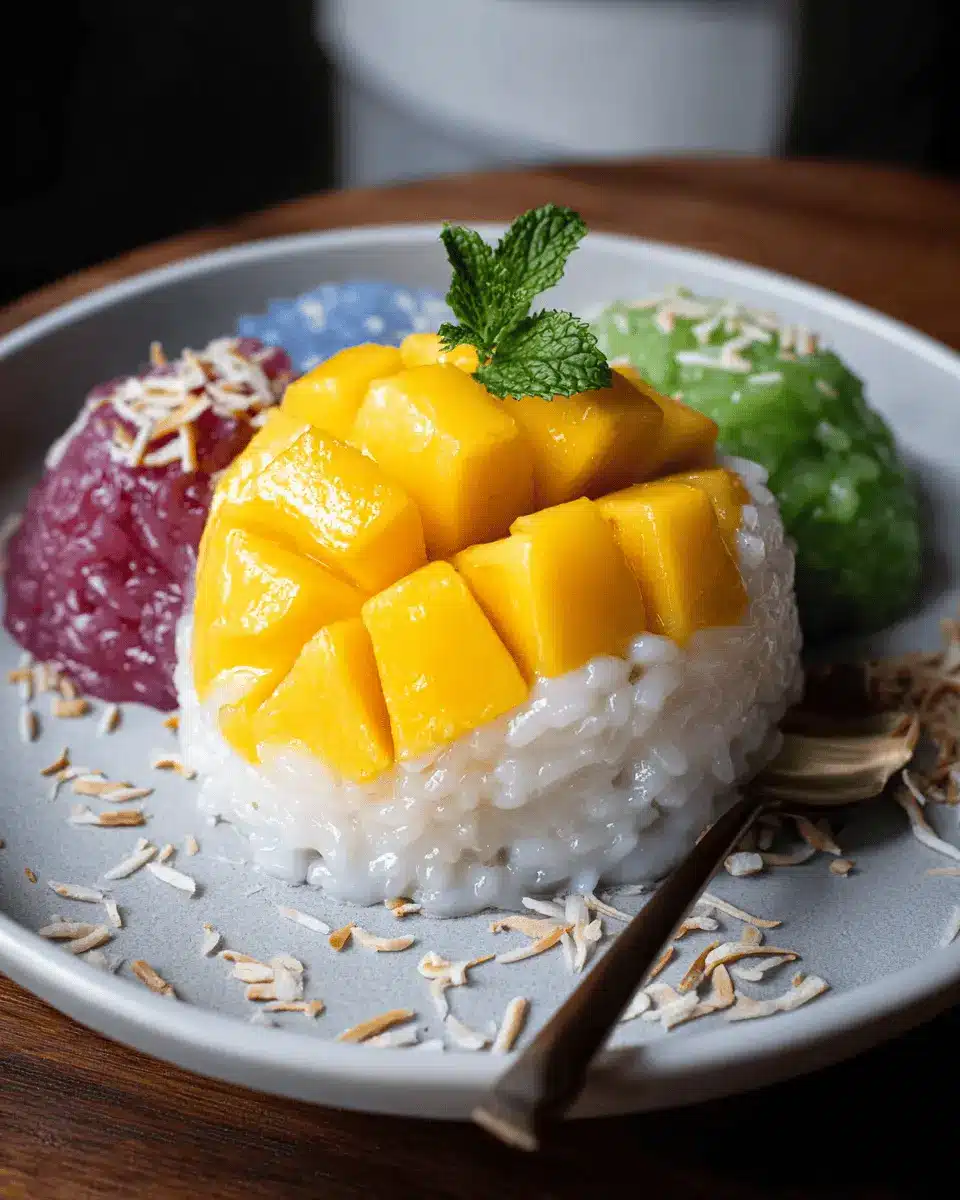
If you haven’t tried Thai Mango Sticky Rice, you're missing out on one of the most delightful desserts to ever grace a plate. This iconic Thai treat, known as "Khao Niew Mamuang," beautifully combines the rich, creamy texture of coconut sticky rice with the sweet, juicy flavor of ripe mangoes. While it may seem simple, the harmony of flavors makes it a truly extraordinary dish.
Why Thai Mango Sticky Rice is a must-try dessert
One of the reasons this dessert stands out is its perfect balance of textures and tastes. The sticky rice is steamed to perfection, providing a chewy base that contrasts wonderfully with the smooth and luscious coconut sauce. And let’s not forget about the mango! The sweetness of fresh, ripe mangoes elevates the entire experience, making each bite a celebration of flavor.
Not only is Thai Mango Sticky Rice a feast for the palate, but it’s also a visual delight. The vibrant colors of the mango paired with the white, glistening rice create a dish that's just as appealing to the eyes as it is to the taste buds. This dessert is a must-try for anyone looking to experience Thailand’s rich culinary tradition and is perfect for sharing with friends or enjoying as a sweet indulgence on your own.
For more tips on selecting the best mangoes, check out this mango guide.
Ingredients for Thai Mango Sticky Rice
Creating the perfect Thai Mango Sticky Rice at home is not just about the method — it's about gathering the right ingredients. Here's what you'll need:
Coconut Sticky Rice Ingredients
- 1 cup white glutinous rice: Look for long grain varieties, often labeled as sweet rice from Thailand.
- ⅔ cup coconut milk: This is key for that rich, creamy texture.
- ½ teaspoon table salt: Just enough to balance the sweetness.
- ½ cup sugar: Adds that sweet kiss that complements the dish beautifully.
Salted Coconut Sauce Ingredients
- ½ cup coconut milk: For a creamy, delicious sauce.
- ¼ teaspoon table salt: Enhances the flavor.
- 1 teaspoon rice flour: This will help thicken the sauce.
- 1 tablespoon water: To mix the rice flour smoothly.
Additional Ingredients
- 2 tablespoons shelled and split mung beans: These provide a delightful crunch.
- 3 sweet, ripe mangoes: Go for Ataulfo or Champagne mangoes for the best taste.
With these ingredients on hand, you're well on your way to making a delicious Thai Mango Sticky Rice that will impress your friends and family! Want to learn more about working with coconut milk? Check out this helpful resource.
Step-by-step Preparation of Thai Mango Sticky Rice
Wash and soak the glutinous rice
Start by washing your white glutinous rice. Place 1 cup in a mixing bowl and cover it with cold water. Swirl the rice vigorously for about 30 seconds to release excess starch. Repeat this rinsing process 4-5 times until the water is mostly clear. This step is crucial for achieving that delightful sticky texture! After rinsing, soak the rice in room temperature water for at least 4 hours, or preferably overnight. If you wish to create colorful sticky rice, consider adding natural dye to the soaking water — check out more details in the notes.
Prepare the salted coconut sauce and crispy mung beans
While the rice soaks, it’s perfect timing to prepare your salted coconut sauce and crispy mung beans. The unique flavor of the sauce elevates the overall dish, so don’t skip it! Combine ½ cup of coconut milk, ¼ teaspoon of salt, and 1 teaspoon of rice flour with 1 tablespoon of water in a small pot. Heat this over medium-high until it begins to bubble, then set aside to cool. For the crispy topping, rinse 2 tablespoons of shelled and split mung beans in cold water, then cover them with about 2 cups of water in a small pot to cook.
Steam the sticky rice until fully cooked
Once the rice has soaked, drain it thoroughly. Prep your steamer by bringing water to a rolling boil. Line the steaming rack with a thin cloth (wet, but not dripping) and spread the rice evenly on top. Cover and steam for 20-25 minutes or until it’s fully cooked—tender with no crunch in the center.
Make the coconut syrup
During the final stages of steaming, combine ⅔ cup of coconut milk, ½ cup of sugar, and ½ teaspoon of salt in a pot. Heat until it's bubbling, adding a pandan leaf for extra fragrance if available. After the rice has finished steaming, pour this syrup over it in a mixing bowl. Stir well to combine, cover, and let it sit for about 20 minutes — this allows the rice to absorb the luscious flavors.
Combine rice and syrup, allowing it to absorb
After letting the rice sit, gently fold the bottom up to the top, ensuring the syrup is evenly distributed. Leave it covered for another 20 minutes to allow for even more absorption. This will impart that desirable sweetness throughout the sticky rice.
Prepare the salted coconut sauce
For the salted coconut sauce, reheat the initial mixture, stirring until it thickens. Allow it to cool completely before serving — it adds that necessary salty contrast to the sweet rice.
Rinse the mung beans for the crispy topping
While the rice absorbs the syrup, return to the mung beans. Cook them until tender, drain, and dry out a bit until they achieve a crispy texture. This might take a few minutes, but it’s worth the wait for that delightful crunch!
Assemble the dessert with fresh mango
Finally, it’s time for the assembly. Slice your 3 ripe mangoes and serve them alongside the sweet sticky rice. Drizzle the salted coconut sauce generously over the rice and sprinkle the crispy mung beans for that lovely texture. Voilà! Your delicious Thai Mango Sticky Rice is ready to impress!
Enjoy this authentic dessert, and don't forget to share it with loved ones—it's best enjoyed together.
Variations on Thai Mango Sticky Rice
Black Sticky Rice Version
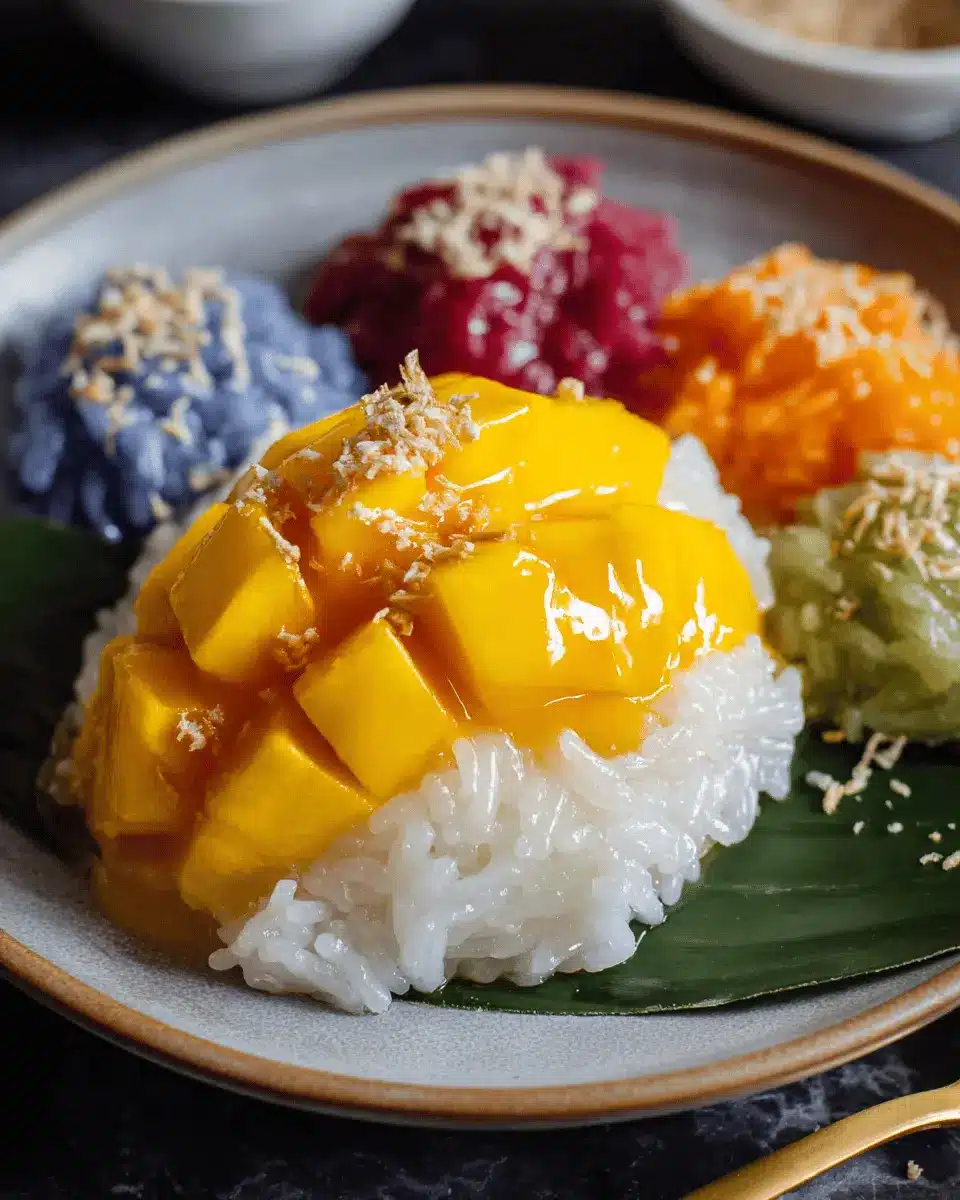
For a unique twist on the traditional Thai Mango Sticky Rice, consider substituting some white glutinous rice with black sticky rice. This variation not only adds a beautiful purple hue but also a nutty flavor and chewy texture. To prepare, use ¼ cup of black sticky rice combined with ¾ cup of white. Don't forget to reduce the coconut milk in the syrup to ½ cup. The rich color and taste will make your dessert even more visually appealing and delicious!
Tropical Fruit Adaptations
While mango is the star fruit in Thai Mango Sticky Rice, you can easily switch things up by using other tropical fruits. Why not try adding passion fruit or ripe bananas? Their sweetness and acidity enhance the creamy coconut flavor, making each bite a delightful surprise. Simply slice the fruits and serve them alongside the sticky rice, either on top or as a refreshing side. You can explore endless fruit options to keep your dessert exciting!
Cooking Tips and Notes for Thai Mango Sticky Rice
Importance of Using High-Quality Mangoes
Selecting high-quality mangoes is crucial for making the best Thai Mango Sticky Rice. Sweet, ripe mangoes like Ataulfo (also known as Manila or Champagne mangoes) provide a smooth, buttery texture that complements the sticky rice perfectly. Look for fruit that is slightly soft to the touch and has a vibrant yellow hue for optimal flavor. Interested in more mango tips? Check out this helpful guide on choosing the best mangoes.
Best Practices for Soaking and Steaming Rice
To achieve perfectly sticky and chewy rice, be sure to soak the glutinous rice in room-temperature water for at least 4 hours, or overnight. This step helps the grains absorb moisture and cook evenly. When ready, steam the rice using a lined bamboo or metal steamer, ensuring adequate space for steam circulation. This will yield a deliciously soft texture that pairs wonderfully with mangoes.
Serving Suggestions for Thai Mango Sticky Rice
Presentation Ideas for Special Occasions
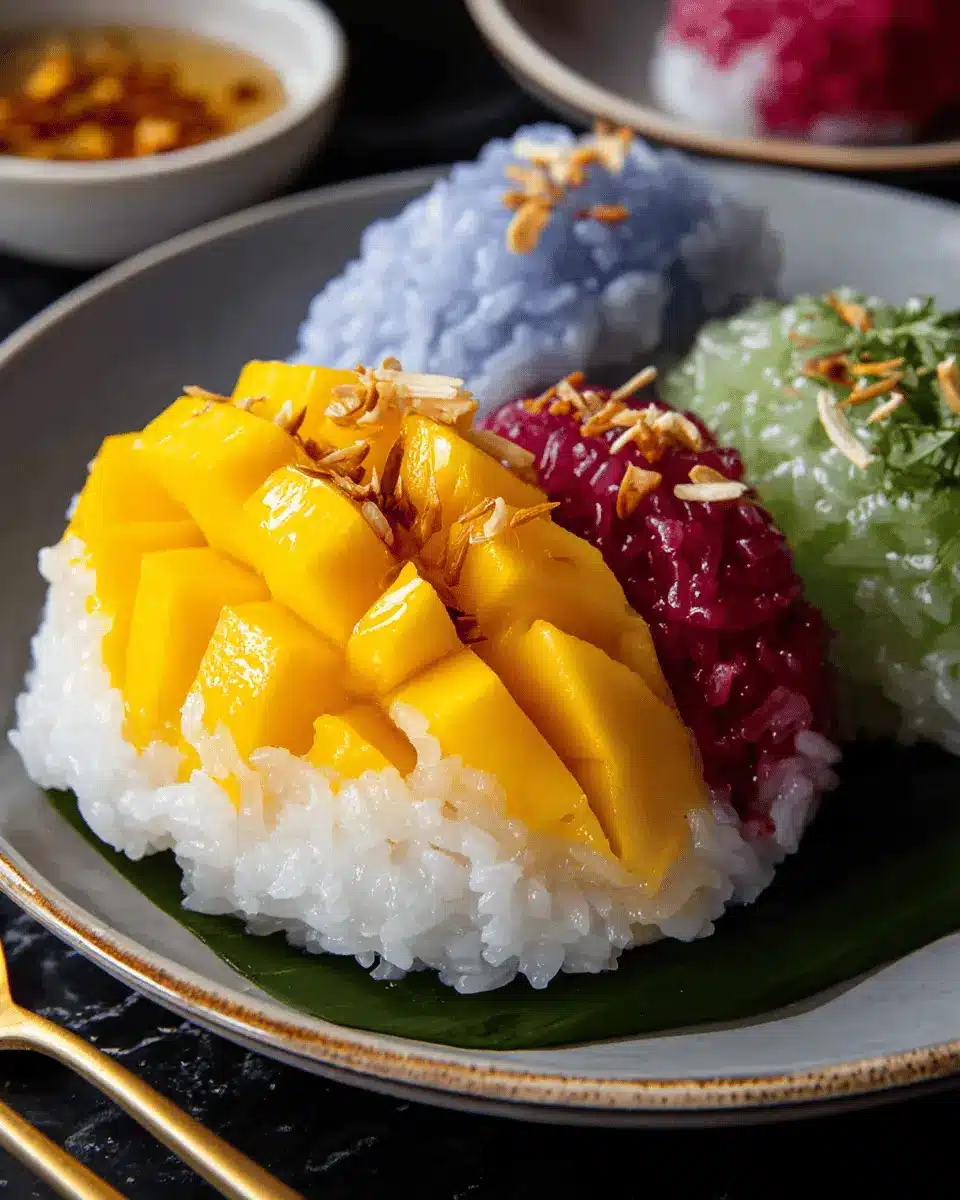
When showcasing Thai Mango Sticky Rice, consider serving it in elegant, shallow bowls to highlight its vibrant layers. Top each serving with a drizzle of salted coconut sauce and a sprinkle of crispy mung beans for a delightful contrast in texture. Garnish with fresh mint leaves or edible flowers to give it a festive touch, making it perfect for birthdays or gatherings. For a fun twist, try using small glass jars for individual portions – guests will love the cute presentation!
Pairing with Beverages or Other Dishes
To elevate your dessert experience, serve your Thai Mango Sticky Rice with refreshing beverages like iced green tea or coconut water. These light options enhance the tropical flavor without overwhelming your palate. You can also pair it with savory dishes like Pad Thai or a fresh Thai salad for a well-rounded meal. The sweetness of the mango complements spice-rich dishes beautifully, balancing flavors and making your dining experience unforgettable.
Curious about the perfect mango? Check out this guide to choosing ripe mangoes for more tips!
Time Breakdown for Thai Mango Sticky Rice
Preparation time
Start your delicious journey by setting aside about 4 hours for soaking the glutinous rice. This step is crucial for achieving that perfect sticky texture.
Cooking time
Once you're ready, the actual cooking time will be around 25-30 minutes. This includes steaming the rice and preparing the salted coconut sauce.
Total time
In total, you can expect about 4 hours and 30 minutes from prep to plate. Trust me, the wait is worth every bite of this delectable dessert!
For a delightful mango experience, choose ripe Ataulfo mangoes for the best results. Want to dive deeper into perfect mango selection? Check out this guide on choosing ripe mangoes.
Nutritional Facts for Thai Mango Sticky Rice
Calories per serving
A serving of Thai Mango Sticky Rice typically contains around 300 calories. This delightful dessert is both satisfying and indulgent, making it a perfect treat for special occasions or a cozy night in.
Key nutrients
Each serving is rich in carbohydrates, primarily from the glutinous rice, providing a source of energy. It contains a small amount of fats from the coconut milk, adding creamy richness. With minimal protein content, this dish is best enjoyed in moderation as a sweet treat rather than a regular meal.
Curious about how to make it? Check out this Thai Mango Sticky Rice Recipe for a step-by-step guide.
FAQs about Thai Mango Sticky Rice
What type of rice is best for sticky rice?
For Thai Mango Sticky Rice, the ideal choice is white glutinous rice, often labeled as sweet rice. This long-grain rice ensures the perfect sticky texture you're after. A tip? Make sure your rice is a product of Thailand for the best results. If you're feeling adventurous, you can also experiment with a mix of black sticky rice and white!
Can I make this ahead of time?
Absolutely! You can prepare the coconut sticky rice and salted coconut sauce in advance. After making the rice, let it sit at room temperature for a few hours. It can even be stored in the fridge for up to a day. Just reheat it gently before serving to revive that delightful stickiness.
What can I substitute for coconut milk?
If you're looking for an alternative to coconut milk, options like almond milk or oat milk work well, though they won't have the same rich flavor. If you're not vegan, creamy whole milk can be another option to consider. Just remember, the key ingredient is the creaminess, so pick a substitute that matches that texture for the best results!
Conclusion on Thai Mango Sticky Rice
Embracing the joy of homemade desserts
Creating your own Thai Mango Sticky Rice at home can be a delightful experience. The combination of sweet mango, creamy coconut sauce, and sticky rice is hard to beat. By following this recipe, you’ll not only impress your friends and family but also savor a taste of Thailand right in your kitchen! Nurture your creativity and relish the rewards of crafting this authentic dessert.
Thai Mango Sticky Rice Recipe
Equipment
- steamer
- Mixing Bowl
- pot
- Sieve
Ingredients
Coconut Sticky Rice
- 1 cup white glutinous rice Make sure it is long grain and a product of Thailand.
- ⅔ cup coconut milk
- ½ teaspoon table salt
- ½ cup sugar
Salted Coconut Sauce
- ½ cup coconut milk
- ¼ teaspoon table salt
- 1 teaspoon rice flour
- 1 Tablespoon water
Others
- 2 Tablespoons shelled and split mung beans
- 3 pieces sweet, ripe mangoes Preferably Ataulfo mangoes.
Instructions
For the sweet sticky rice
- Wash the rice by placing it in a mixing bowl and cover with cold water, then vigorously swish the rice with your hand to release loose starch. Pour off the cloudy water and repeat the process 4 more times or until the water runs mostly clear.
- Soak the rice with room temp water for at least 4 hours and up to overnight.
- Preheat the steamer by bringing it to a full boil over high heat. Drain the rice, place in a steamer lined with moist muslin, and cover.
- Steam the rice for 20-25 minutes until fully cooked.
- While the rice is cooking, combine coconut milk, sugar, and salt in a pot to make coconut syrup.
- Reheat the syrup a few minutes before the rice is done, then pour it over the rice once cooked. Let sit for 20 minutes.
- Fold the rice to redistribute the syrup and let sit for an additional 20 minutes.
For the salted coconut sauce
- Stir the rice flour into the water until there are no lumps.
- Combine the slurry, coconut milk, and salt in a pot, cook until it boils, then let cool.
For the crispy mung beans
- Rinse the beans in cold water and cover with about 2 cups of water in a pot.
Assembly
- Serve the rice beside sweet, fresh cut mangoes, spoon salted coconut sauce over the rice and sprinkle with crispy mung beans.




Leave a Reply