
Introduction to Neapolitan Pizza Dough
When it comes to homemade pizza, nothing beats Neapolitan pizza dough. Renowned for its simplicity and authenticity, this dough serves as the foundation for traditional Neapolitan pizza. Its recipe is remarkably straightforward, relying on just four key ingredients: flour, water, salt, and yeast. The result is a light, airy crust with a delightful chew—perfectly complementing your favorite toppings.
So why is Neapolitan pizza dough the best choice for your pizza night? For one, it boasts a high hydration level, which contributes to its tender texture and unique flavor profile. The use of Tipo 00 flour, a finely milled Italian flour, ensures an optimal rise and promotes that coveted char when baked in a hot oven. Additionally, the minimal ingredients allow the natural flavors to shine through, making each bite a culinary delight.
If you're keen to impress friends or simply treat yourself, this dough will elevate your pizza-making game. Whether it’s a classic Margherita or a creative topping of your choice, Neapolitan pizza dough is your ticket to a slice of Italy right in your kitchen. Get ready to roll up your sleeves and embark on this delicious journey! For more insights about different styles, check out Serious Eats for a comprehensive guide.
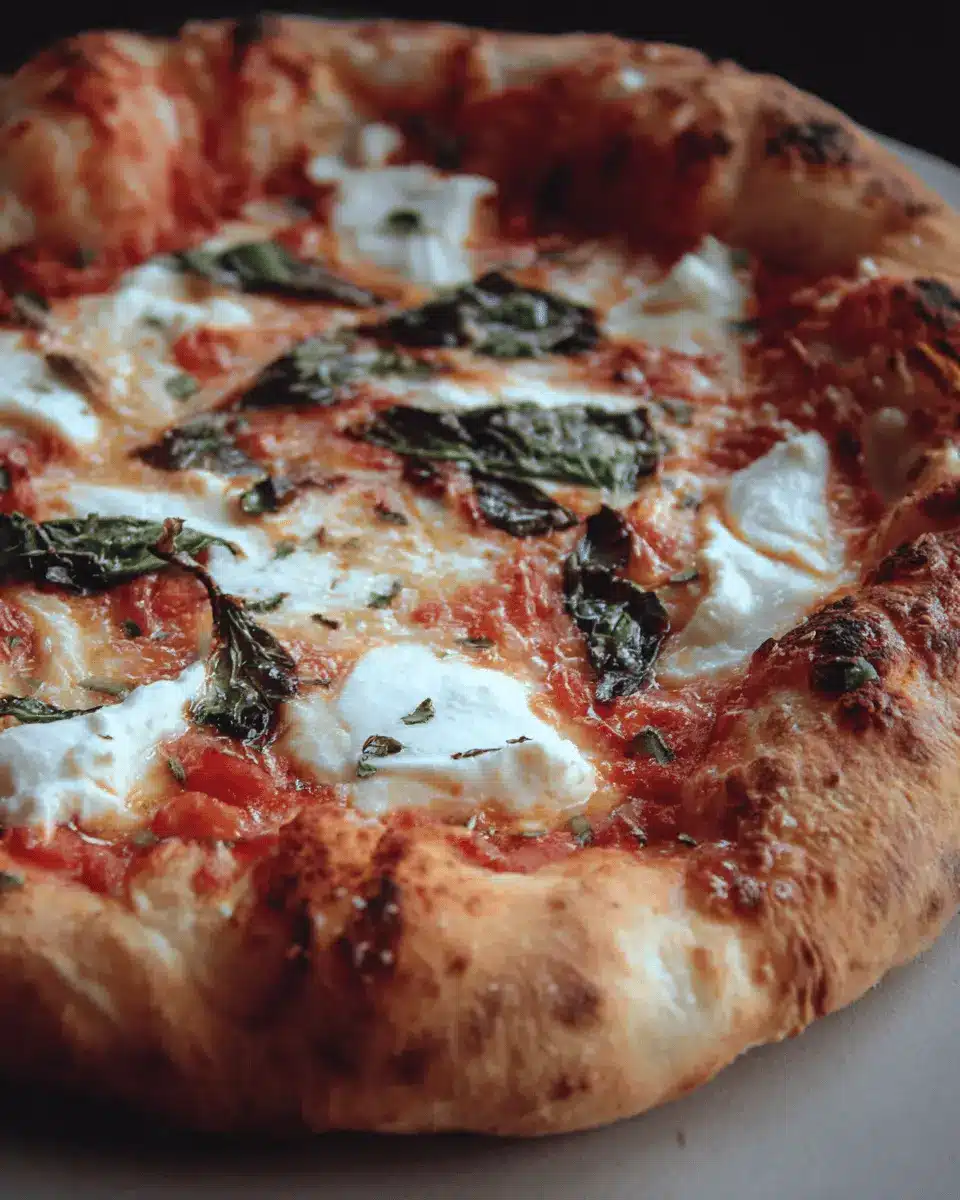
Ingredients for Neapolitan Pizza Dough
Essential ingredients for authentic Neapolitan pizza
Creating the perfect Neapolitan pizza dough starts with a few key ingredients that ensure genuine flavor and texture. The cornerstone of your dough is Tipo 00 flour, specifically Le 5 Stagioni Napoletana, which is finely milled for that exquisite chewiness. You'll also need fresh yeast, although a little goes a long way—just a pinch helps ferment the dough, enhancing its flavor. Don't forget the salt, which not only seasons the dough but also strengthens gluten structure. Finally, use room temperature water to help bind everything together and achieve a soft, pliable texture.
Optional ingredients and their role in the dough
While the core ingredients are non-negotiable, there are optional additions that can enhance your dough. A splash of olive oil can add richness and flavor, while sugar helps with browning during baking. Some bakers even include a bit of milk for tenderness. Curious about the science behind these choices? Check out resources like Serious Eats for in-depth articles on pizza dough fundamentals. Experiment with these extras to discover what makes your Neapolitan pizza truly unique!
Step-by-step Preparation of Neapolitan Pizza Dough
Creating the perfect Neapolitan pizza dough is an art form, and each step you take plays an important role in achieving that delightful, authentic flavor and texture. Here’s a detailed guide to help you craft your own delicious dough at home.
Combine water and salt
Start by pouring 600 ml of room temperature water into a mixing bowl. Then, add 30 grams of salt. It’s crucial to dissolve the salt properly, as it enhances the flavor of the dough. Use your hand to mix the water and salt together until the salt is fully dissolved. A simple yet essential step, this helps lay the groundwork for the rest of your dough-making journey.
Create the flour mixture
Next, add approximately 100 grams (about 10%) of your Le 5 Stagioni Napoletana Pizza Flour to the salted water. Using your hands, mix it until you've formed a batter with a consistency similar to crepes or pancakes. This creates a smooth base that will allow the yeast to activate efficiently. It's important to use high-quality flour like Tipo 00, which is specifically designed for making Neapolitan pizza.
Incorporate the yeast
Now, it's time to bring the magic into the mix by adding fresh yeast. For this recipe, 1-2 grams (about half a teaspoon) should do. Sprinkle the yeast into the flour-water mixture and use your fingers to break it up and mix it thoroughly. The yeast is key to achieving that lovely rise and characteristic texture of Neapolitan pizza dough. Once dissolved, you’re ready to move on to the next step.
Kneading the dough
With your mixture blending beautifully, gradually incorporate the rest of the flour using one hand while mixing with the other. You want to add the flour gradually; dumping it all in at once can make it hard to get the right consistency. When you've got a coherent dough, it’s time to knead! Transfer your dough onto a clean surface, and using your hands, knead the dough for about 10 minutes. The goal is a smooth and elastic texture, so keep at it! A good test for readiness? Press down with a finger to see if it bounces back—that's your cue that you’ve kneaded enough.
Resting the dough
Once you’ve achieved that lovely smooth consistency, it’s essential to give your Neapolitan pizza dough some time to rest. Place the dough on a flat surface, cover it with a damp cloth (this prevents drying), and let it sit for at least 2 hours. This period allows the gluten to relax and leads to better texture and flavor. While waiting, you can plan your pizza toppings or maybe even enjoy a good book!
Shaping the dough balls
After your dough has rested and is nice and puffy, it's time to shape it into balls. Cut a piece weighing approximately 250 grams (about 8.8 ounces), and gently roll it into a smooth ball. You can do this by cupping it in your palms and working it in circular motions. Once shaped, place your dough ball into an airtight container and store it in a warm area for 24 hours. The ambient temperature should be between 16°C and 18°C (60.8°F to 64.4°F) for optimal fermentation.
Preparing your dough for use
After a day of rising, your dough balls are ready to use. To turn them into pizza bases, sprinkle some flour onto your bench and transfer the dough ball. Flatten it gently using your fingers, working from the center outwards. Flip it over and repeat until you've formed a small round base with a "cornicione" or crust.
From this point, you can start adding your favorite toppings and baking away! If you’re curious about cooking techniques, check out helpful tips on achieving the perfect crust in high-temperature ovens such as this expert guide. Enjoy the delicious journey of making your own Neapolitan pizza dough, and share your creations with friends and family!
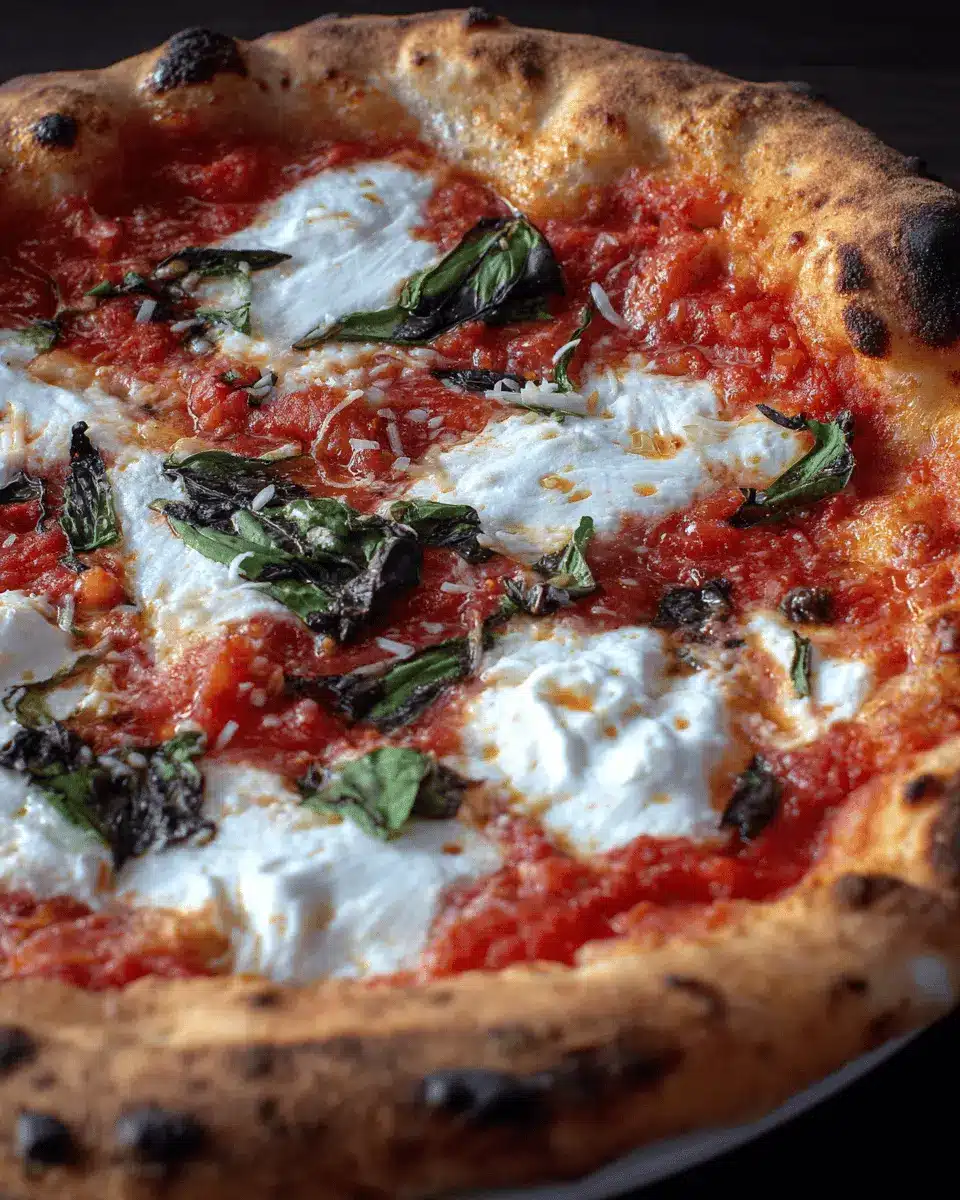
Variations of Neapolitan Pizza Dough
Gluten-free Neapolitan pizza dough
For those avoiding gluten, gluten-free Neapolitan pizza dough can be just as delightful! You can substitute the traditional flour with a high-quality gluten-free flour blend. Look for one that has a mix of rice flour, tapioca starch, and xanthan gum to mimic the stretchy quality of traditional dough. Just remember to adjust the hydration slightly, as gluten-free flours often absorb water differently. For tips, check out sources like King Arthur Baking for a reliable gluten-free option.
Whole wheat Neapolitan pizza dough
If you prefer a healthier twist, try making whole wheat Neapolitan pizza dough. By replacing a portion of the Tipo 00 flour with whole wheat flour, you’ll add fiber and a nuttier flavor. Aim for a 50/50 blend for the best results. Whole wheat flour can absorb more water, so keep an eye on your dough’s consistency and adjust the hydration if necessary. Plus, the heartier crust pairs wonderfully with fresh toppings. Need more guidance? America's Test Kitchen has fantastic resources for whole grain baking.
Embrace these variations and enjoy crafting your perfect pizza!
Cooking Tips and Notes for Neapolitan Pizza Dough
Tips for Achieving the Perfect Texture
When making Neapolitan pizza dough, texture is everything! Aim for a smooth, elastic dough by ensuring you knead it thoroughly until it passes the bounce-back test. This means it should spring back when you press it with a finger, indicating the gluten has developed properly. If your dough feels too sticky, a little extra flour during kneading can help, but try to avoid adding too much, as this can lead to a dry crust.
Notes on Using Different Cooking Methods
How you cook your Neapolitan pizza dough can dramatically impact the final product. For that signature charred crust, consider a wood-fired oven, as it reaches high temperatures that conventional ovens can't match. Alternatively, using a pizza stone in your home oven can also yield great results. Preheat your oven as high as it will go (typically around 250°C or 475°F) and make sure to let the stone heat up for at least 30 minutes. Always keep an eye on the pizza to prevent burning and rotate it halfway through cooking for even results.
For more professional tips on pizza-making, visit Serious Eats for helpful techniques and advice.
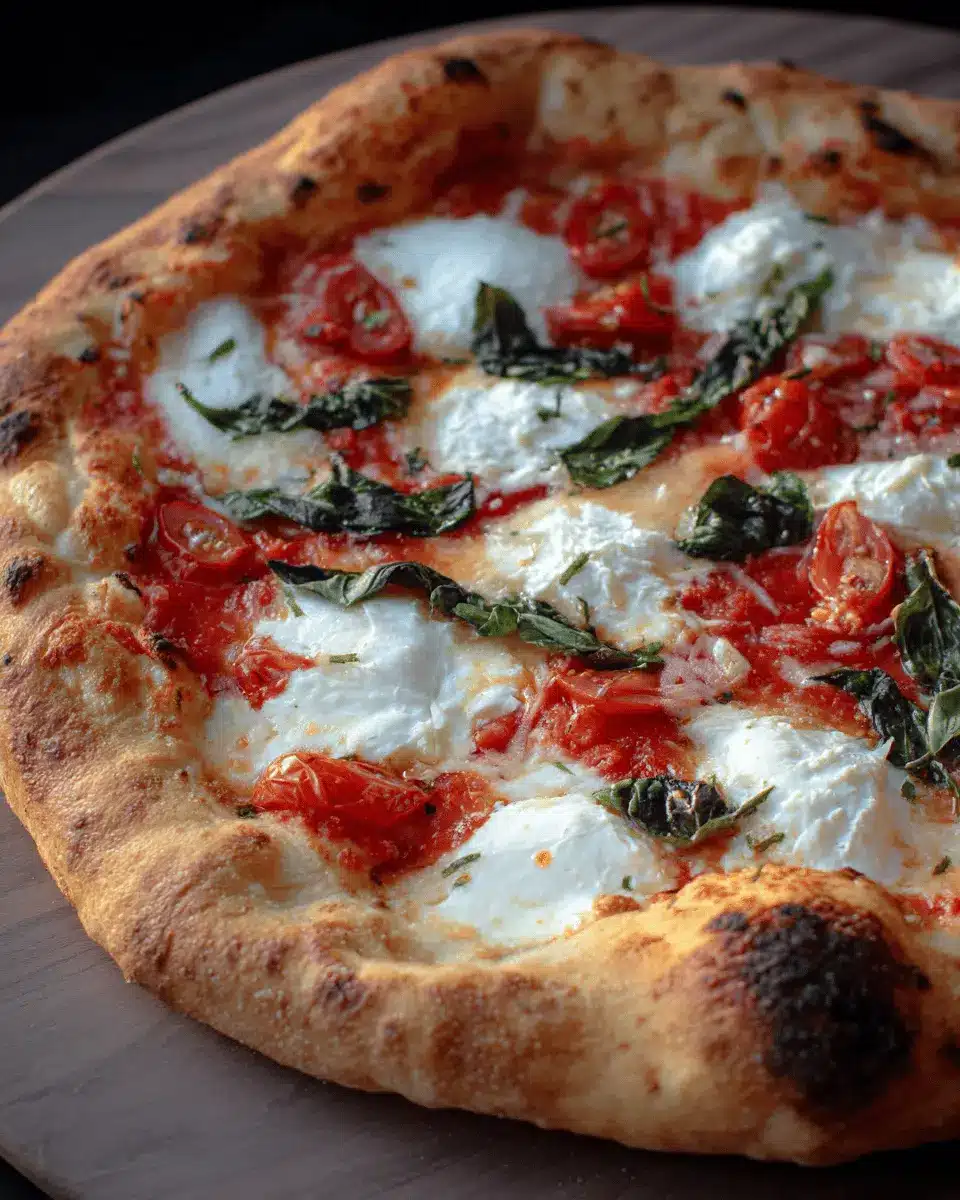
Serving Suggestions for Neapolitan Pizza
Classic toppings for Neapolitan pizza
When it comes to topping your Neapolitan pizza, you can’t go wrong with the classics. Think fresh mozzarella, fragrant basil, and a swirl of extra virgin olive oil. You can also experiment with:
- Chicken ham for a savory flavor
- Turkey bacon for a smoky twist
- Seasonal vegetables like zucchini and bell peppers
Every layer adds a unique touch, so don’t hesitate to mix and match! For instance, a drizzle of balsamic glaze can elevate your pizza's taste and presentation.
Pairing sides and beverages
To enhance your pizza night, consider serving sides that complement your choice of pizza. A simple arugula salad or garlic bread pairs beautifully with the rich flavors of your Neapolitan pizza dough.
For beverages, refreshing options like sparkling water or homemade lemonade can quench your thirst without overpowering your food. Love craft soda? A fruity fizz can also be a delightful accompaniment.
Creating the perfect meal is all about balance and creativity! Let your taste buds guide you toward the perfect pairing.
Time Breakdown for Making Neapolitan Pizza Dough
Preparation time
Getting your hands on those delicious Neapolitan pizza dough ingredients will take just about 15 minutes. This includes mixing and kneading the dough to perfection—so don’t rush it!
Resting time
After your dough is nicely prepared, it will need some time to rest. Aim for at least 2 hours to allow it to rise properly. Keep in mind that good things take time!
Total time for dough preparation
In total, you’re looking at around 26 hours from start to finish. This includes the resting period for your dough balls after the initial preparation. Patience is key for that perfect crust!
For more detailed guidance on the dough-making process, check out resources on dough fermentation methods, which can enhance flavor and texture.
Ready to impress at your next pizza night? Grab your ingredients, and let's get started!
Nutritional Facts of Neapolitan Pizza Dough
Calories per serving
A typical serving of Neapolitan pizza dough (one dough ball, approximately 250g) contains around 550 calories. This aligns with many artisanal pizzas while still imparting a delightful flavor and texture.
Macronutrient breakdown
In terms of macronutrients, each serving offers:
- Carbohydrates: 110g
- Protein: 14g
- Fat: 2g
This balance makes it a hearty base for any pizza topping, ensuring you get a satisfying meal.
Health benefits of homemade dough
Making your own Neapolitan pizza dough allows you to customize ingredients, leading to less process and more nutrition. Homemade dough typically includes fewer preservatives than store-bought options, aligning better with a wholesome diet. Plus, the process of making dough can be therapeutic and rewarding! For more tips on healthy eating, visit the USDA.
FAQs about Neapolitan Pizza Dough
What is the difference between Neapolitan pizza dough and other types?
Neapolitan pizza dough is known for its soft, elastic texture and is mainly made with Tipo 00 flour, a finely milled Italian flour that gives it a unique bite. Unlike thicker crusts like New York-style pizza, Neapolitan dough is meant to be thin in the center with a puffy crust (cornicione), traditionally baked at high temperatures in a wood-fired oven. This method creates that beloved char and chewiness.
Can I use regular flour instead of Tipo 00 flour?
While you can use all-purpose flour in a pinch, it won't yield the same results. Tipo 00 flour has a higher protein content, providing the strength and elasticity vital for Neapolitan pizza dough. If you can't find it, consider blending all-purpose flour with a bit of bread flour for better results.
How long can I store the dough?
You can store your Neapolitan pizza dough for up to 3 days in the refrigerator. Just be sure to wrap it tightly to prevent it from drying out. For longer storage, you can freeze it for up to 3 months. Just make sure to let it thaw and rest before using.
Conclusion on Neapolitan Pizza Dough
Enjoy crafting your own Neapolitan pizza dough! The process is both an art and a science, yielding delicious results that will impress friends and family alike. Remember, the key lies in patience and quality ingredients. For more tips on pizza making, check out Serious Eats for expert advice.
Enjoy the art of homemade Neapolitan pizza!
There's something truly rewarding about creating the perfect Neapolitan pizza dough from scratch. It's an adventure that connects you to Italian culinary traditions while allowing you to unleash your creativity. From the texture of the crust to the vibrant toppings, making pizza at home can be a delightful experience.
When you take the time to knead the dough, watch it rise, and shape it with care, you’re not just preparing a meal—you’re engaging in a process filled with joy and satisfaction. Do you remember the thrill of that first perfect pizza? It's moments like these that make cooking fun.
So, gather your friends, share your creations, and enjoy the delicious pizzas that emerge from your kitchen. Whether it’s a classic Margherita or a more adventurous topping ensemble, your homemade Neapolitan pizza dough sets the stage for fantastic meals and unforgettable moments. Bon appetit!

Neapolitan Pizza Dough
Equipment
- Mixing Bowl
- bench
- scale
- stand mixer
Ingredients
Dough Ingredients
- 2.5 cups Water Room temperature
- 35 oz Le 5 Stagioni Napoletana Pizza Flour Tipo 00 (RED)
- 5 teaspoons Salt
- 0.5 teaspoons Fresh yeast
Instructions
Dough Preparation
- Pour in 600ml of water and add 30g salt to a mixing bowl.
- Mix well using your hand to help dissolve the salt.
- Add 100g (10% flour) to the water and mix until flour dissolves.
- Add the yeast and mix through with your hand.
- Gradually add the flour using one hand, mixing with the other.
- Once dough comes together, flip onto a bench and knead well.
- Check if dough is ready by pressing with a finger or using a thermometer.
- Cover with a damp cloth and rest for at least 2 hours.
- Cut and weigh pieces of dough aiming for 250g each.
- Roll into a smooth ball using the palm of your hand.
- Place dough balls in an airtight container and rest for 24 hours.
- Prepare the base by pressing down and stretching into a circle.
- Spread Italian tomato sauce and add toppings as desired.
- Cook in a woodfire oven at 400°C/757°F.
- Use mozzarella to top the pizza before serving.




Leave a Reply